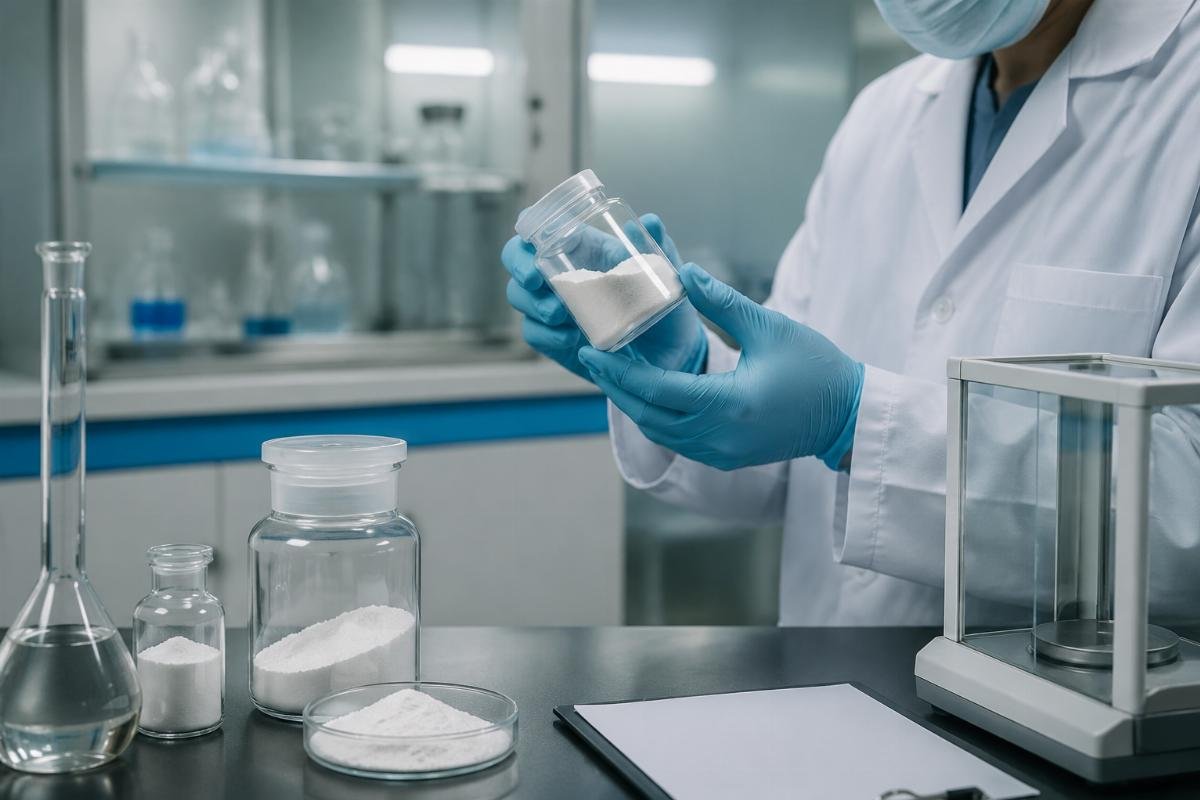


For industrial manufacturing and laboratory research purposes only.
Product Specifications
| Parameter | Value |
|---|---|
| Model NO. | TEG |
| Certification | ISO |
| CAS Number | 112-27-6 |
| Molecular Formula | C6H14O6 |
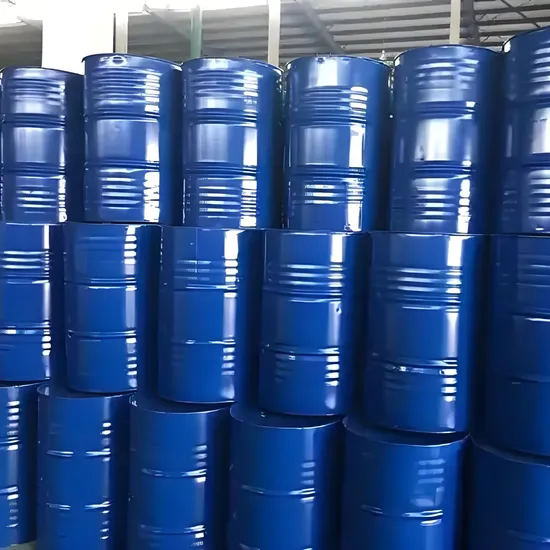
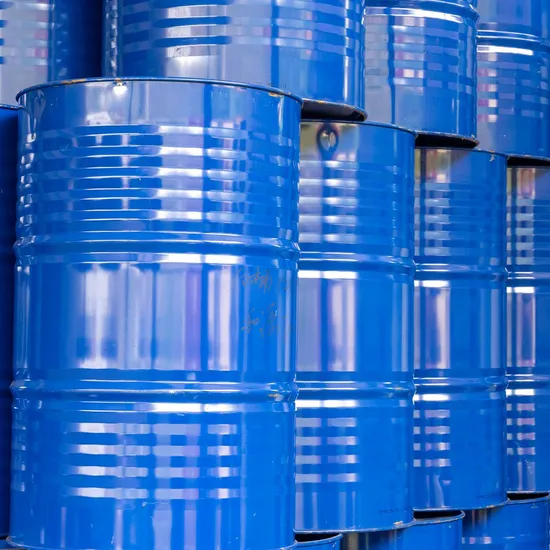
| Transport Package | 200L Steel Drum |
| Origin | China |
Challenges in Hydrocarbon Extraction: The Critical Role of High Purity Triethylene Glycol (CAS 112-27-6)
For over a decade in chemical manufacturing, we've witnessed how inconsistent Triethylene Glycol (TEG) purity disrupts hydrocarbon extraction processes—leading to increased energy consumption from inefficient dehydration, unplanned downtime due to equipment fouling, and failed quality audits from impurity-related product contamination. Researchers and production managers alike struggle with suppliers who cannot consistently meet specification requirements, turning what should be a routine raw material into a critical operational risk.
A Stable and Reliable Chemical Supply Solution
Our High Purity Triethylene Glycol (CAS 112-27-6) directly addresses these challenges through ISO-certified manufacturing processes and a supply chain serving 50+ countries. Unlike generic TEG grades, our product undergoes rigorous multi-stage purification specifically optimized for hydrocarbon extraction applications, ensuring consistent performance that industrial plants and research laboratories can depend on for both large-scale production and precision experiments.
Typical Industrial Applications
Triethylene Glycol (TEG) is widely utilized as a dehydration agent in natural gas and hydrocarbon processing, where its hygroscopic properties effectively remove water vapor from gas streams to prevent pipeline corrosion and meet product quality standards. It also serves as a solvent in industrial formulations, a heat transfer fluid in closed-loop systems, and a key intermediate in chemical synthesis processes—all strictly within industrial and laboratory research contexts.
Why Key Specifications Matter
The ISO certification of our Triethylene Glycol ensures compliance with global quality standards, critical for international supply chains and regulatory compliance. The precise molecular formula (C6H14O6) guarantees structural consistency, eliminating variability in reaction kinetics during hydrocarbon processing. Our 200L steel drum packaging provides secure, contamination-free storage and transportation, maintaining product integrity from our facility to your production site. These specifications collectively minimize process variability, reduce waste, and enhance the reproducibility of experimental results.
What You Gain With Our Product
Choosing our High Purity TEG means investing in operational efficiency: reduced maintenance costs from cleaner equipment, lower energy usage through optimal dehydration performance, and minimized production delays from reliable supply. In contrast, substandard TEG can introduce acidic impurities that degrade extraction equipment, require frequent process adjustments, and ultimately increase overall operational expenses. Our commitment to ISO standards ensures each batch meets the same stringent quality criteria, providing long-term value through consistent performance and supply stability.
Why You Can Trust Us
With 10+ years serving 10000+ industrial and research clients, our quality control protocols include comprehensive testing at every production stage. Each batch is accompanied by a detailed Certificate of Analysis (COA) verifying key parameters, and we maintain full traceability of raw materials and manufacturing processes. Our production capacity ensures consistent supply even for large-scale operations, while our technical support team provides expert guidance on product application and handling. If any batch fails to meet specified requirements, we offer unconditional replacement to protect your operations.
Certificate of Analysis & Documentation
Every shipment of our High Purity Triethylene Glycol includes a batch-specific Certificate of Analysis (COA) and Material Safety Data Sheet (MSDS). For critical applications requiring additional verification, detailed检测数据 can be requested using your order reference number, and complete analytical reports are available upon request to support regulatory compliance and quality assurance procedures.
Storage & Handling
- Store in a cool, dry, well-ventilated area, sealed and away from direct sunlight.
- Keep away from incompatible materials, food and feed sources.
- Handle with appropriate personal protective equipment (gloves, goggles, lab coat).
- Follow good industrial hygiene practices. Avoid inhalation and skin contact.
- Refer to MSDS for detailed storage and safety instructions.
How to Place Your Order
Initiate your order by submitting a request through our procurement portal, specifying your required quantity and delivery timeline. We recommend requesting a sample for qualification testing prior to full-scale ordering, ensuring compatibility with your specific hydrocarbon extraction processes. All orders include comprehensive documentation, technical support, and our quality guarantee for complete peace of mind.
Frequently Asked Questions
Q: What is the recommended shelf life for this product?
A: When stored properly in sealed original packaging, our Triethylene Glycol maintains specifications for 24 months from the manufacturing date indicated on the COA.
Q: Can this product be used in food or pharmaceutical applications?
A: No. This product is strictly for industrial and laboratory research use only, and is not intended for direct human consumption, therapeutic, or household use.
Q: What documentation is provided with each shipment?
A: Each order includes a Certificate of Analysis (COA) for the specific batch and a Material Safety Data Sheet (MSDS).
Q: Do you offer custom packaging options?
A: Our standard packaging is 200L steel drums. For large-volume orders, custom packaging solutions may be available—please contact our sales team to discuss requirements.
Q: How is product purity verified?
A: Purity is confirmed through multiple analytical techniques including gas chromatography (GC) and titration, with results documented in the batch-specific COA.