

For industrial manufacturing and laboratory research purposes only.
Product Specifications
| Parameter | Value |
|---|---|
| Model NO. | Deipa |
| EINECS | 229-764-5 |
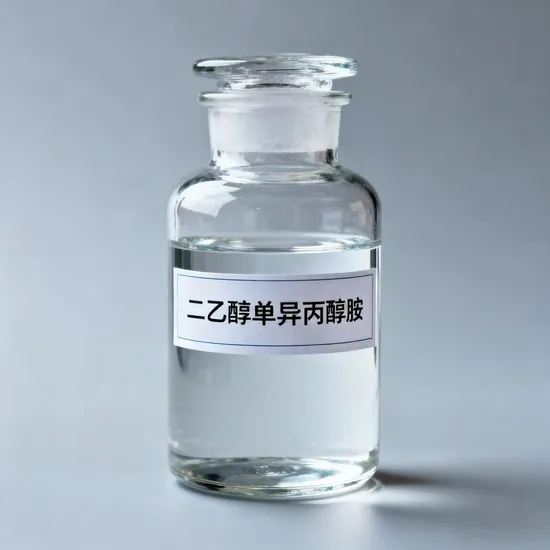
| Appearance | Liquid |
| Purity | 85% Min |
| Color | Colorless |
| Molecular Weight | 163.21 |
| Quality | Industrial |
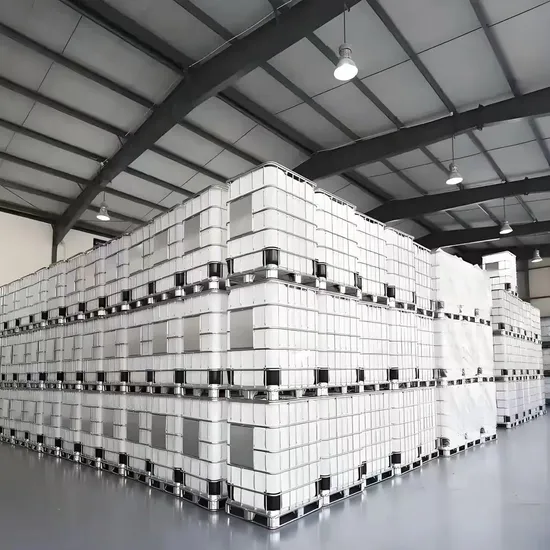
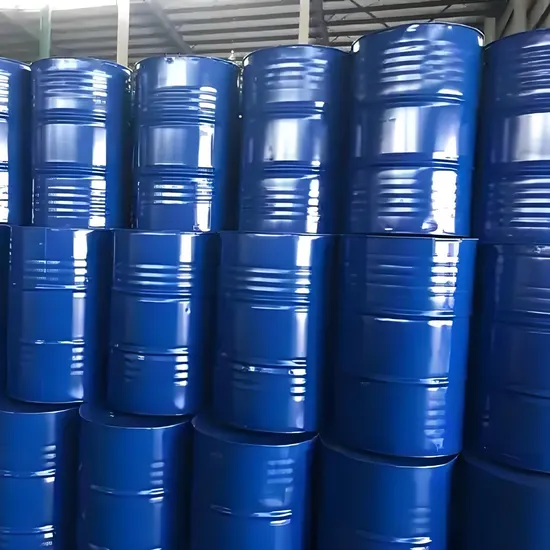
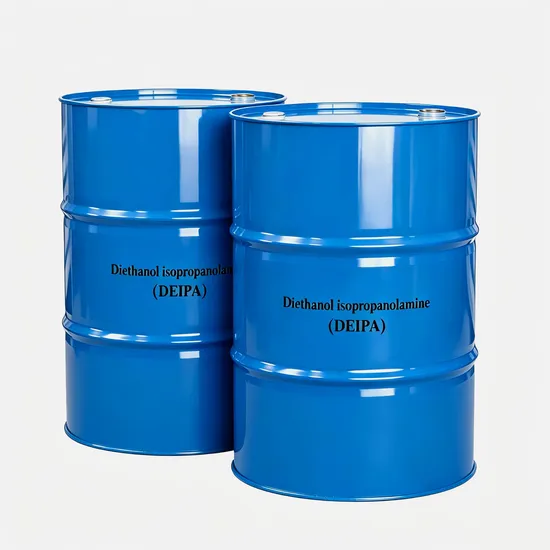
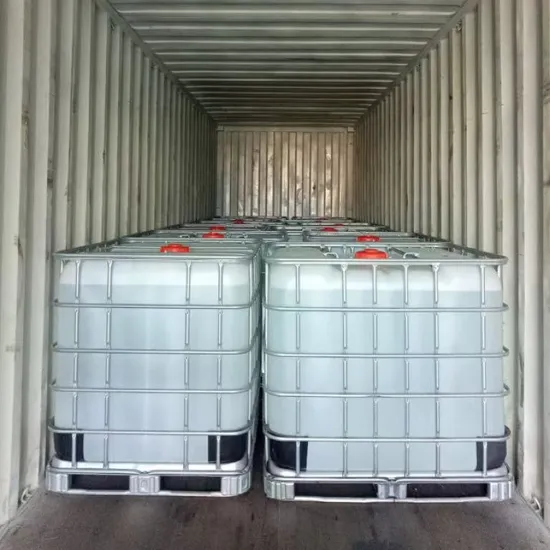
| Transport Package | IBC/Steel Drum |
| Origin | Jiangsu, China |
Overcoming Cement Grinding Challenges with Diethanolisopropanolamine (CAS 6712-98-7)
In over a decade of serving cement manufacturers across 50+ countries, we've witnessed how inconsistent grinding aid quality can disrupt production—unstable purity leading to unpredictable clinker grindability, batch variations causing inconsistent cement strength, and supply delays halting kiln operations. These issues aren't just inconvenient; they directly impact your bottom line through wasted energy and compromised product quality.
A Stable Solution for Efficient Cement Grinding
Our Diethanolisopropanolamine (DEIPA) addresses these critical pain points with industrial-grade reliability. As a specialized Cement Grinding Aid Chemical, this 85% purity liquid delivers consistent performance batch after batch, ensuring your grinding process remains efficient and your cement products meet stringent quality standards. Backed by our 10+ years of chemical production expertise, we've optimized our supply chain to guarantee stable availability even during peak demand periods.
Key Applications in Cement Manufacturing
Diethanolisopropanolamine (CAS 6712-98-7) plays a vital role in modern cement production by enhancing grinding efficiency, reducing energy consumption, and improving particle size distribution. When added to the grinding process, it acts as a surface active agent that prevents agglomeration of cement particles, allowing for finer grinding with lower energy input. This results in increased mill output and improved cement strength development, making it an essential additive for high-performance cement formulations.
Critical Specifications for Optimal Performance
The 85% minimum purity of our DEIPA is crucial for consistent grinding aid effectiveness—lower purity levels introduce impurities that can interfere with the grinding process and affect cement properties. Its colorless liquid form ensures easy handling and precise dosing, eliminating the risk of color contamination in finished cement. With a molecular weight of 163.21, our DEIPA is formulated to provide optimal adsorption on cement particles, maximizing its dispersing effect. The industrial-grade quality guarantees it meets the rigorous demands of continuous cement production environments.
Benefits of Reliable DEIPA Supply
Choosing a high-quality Diethanolisopropanolamine Liquid translates to tangible operational benefits: reduced energy costs per ton of cement, increased mill throughput, and consistent product quality. In contrast, using substandard grinding aids can lead to excessive energy consumption, inconsistent cement performance, and potential equipment issues—problems that ultimately cost more than investing in quality raw materials. Our commitment to ISO 9001 quality standards ensures every batch meets your specifications, providing long-term value through supply stability and product consistency.
Our Quality Assurance Commitment
We understand that trust in chemical supply comes from transparency and consistent quality control. Every batch of our DEIPA undergoes rigorous testing using advanced analytical techniques to verify purity and composition. We provide a Certificate of Analysis (COA) with each shipment, detailing key parameters and test results. Our production facility in Jiangsu, China maintains strict manufacturing controls, and we offer a comprehensive quality guarantee—if any batch fails to meet your specified requirements, we'll arrange for replacement or full refund. Our technical support team is available to assist with application guidance and troubleshooting, ensuring you get the most out of our product.
Certificate of Analysis & Documentation
Every order includes a batch-specific Certificate of Analysis and Material Safety Data Sheet (MSDS). For quality verification, detailed test results for specific batches can be requested using your order reference number. Additional technical documentation, including handling guidelines and application recommendations, is available upon request to support your production processes.
Storage & Handling
- Store in a cool, dry, well-ventilated area, sealed and away from direct sunlight.
- Keep away from incompatible materials, food and feed sources.
- Handle with appropriate personal protective equipment (gloves, goggles, lab coat).
- Follow good industrial hygiene practices. Avoid inhalation and skin contact.
- Refer to MSDS for detailed storage and safety instructions.
Simple Ordering Process
Initiate your purchase by submitting an inquiry through our platform, specifying your required quantity and delivery timeline. We'll provide a detailed quotation and can arrange for sample testing to ensure compatibility with your processes. Once specifications are confirmed, our production team will schedule manufacturing to meet your delivery needs, with full documentation provided upon shipment. Our streamlined process ensures minimal lead times and reliable supply for your production requirements.
Frequently Asked Questions
Q: What is the shelf life of Diethanolisopropanolamine?
A: When stored properly in sealed containers under recommended conditions, the product has a shelf life of 12 months from the date of manufacture.
Q: Can this product be used in food or pharmaceutical applications?
A: No, this product is intended FOR INDUSTRIAL AND LABORATORY RESEARCH USE ONLY. It is not suitable for direct human consumption, therapeutic, or household use.
Q: What documentation is provided with each shipment?
A: Each shipment includes a Certificate of Analysis (COA) specific to the batch and a Material Safety Data Sheet (MSDS).
Q: Is custom packaging available?
A: Standard packaging is IBC or Steel Drum. For large-volume orders, custom packaging options can be discussed during the quotation process.
Q: How is the purity of DEIPA verified?
A: Our DEIPA purity is verified through a combination of titration and chromatographic analysis, with results documented in the batch-specific COA.