For industrial manufacturing and laboratory research purposes only.
Product Specifications
| Parameter | Value |
|---|---|
| Product Name | Triethylenetetramine |
| CAS Number | 112-24-3 |
| Certification | ISO |
| Molecular Formula | C6H18N4 |
| Molecular Weight | 146.23 |
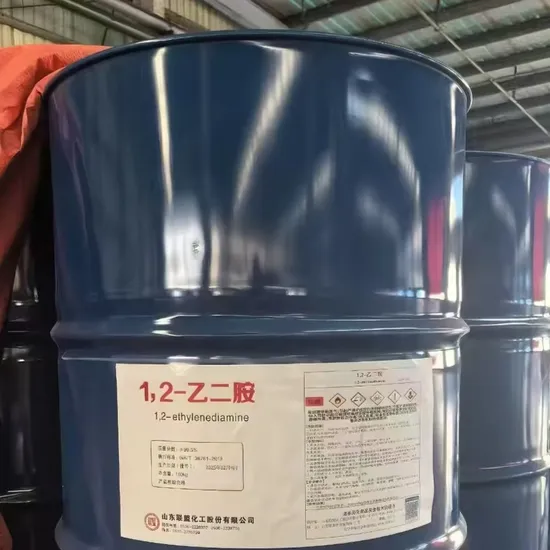
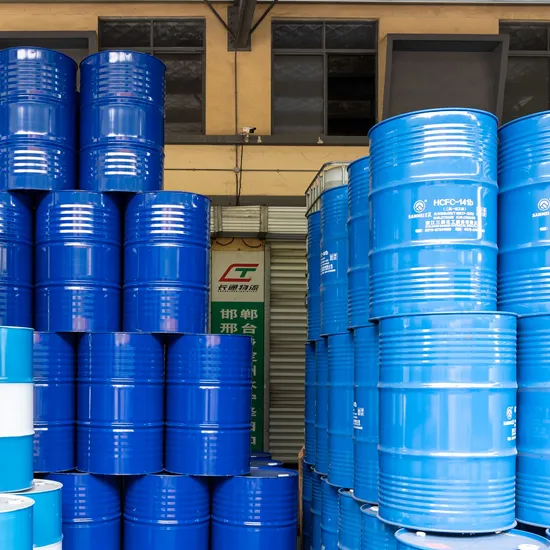
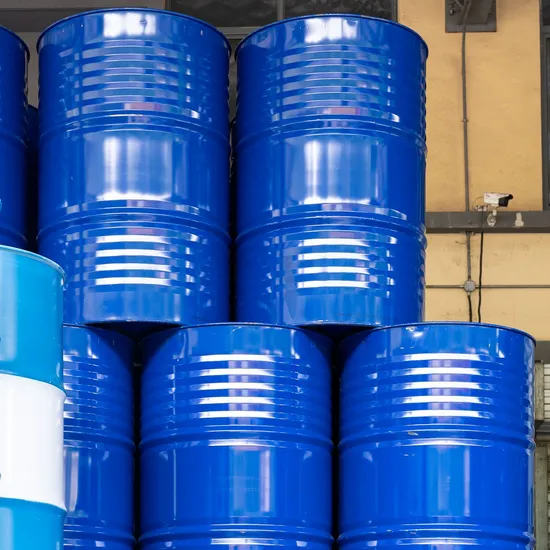
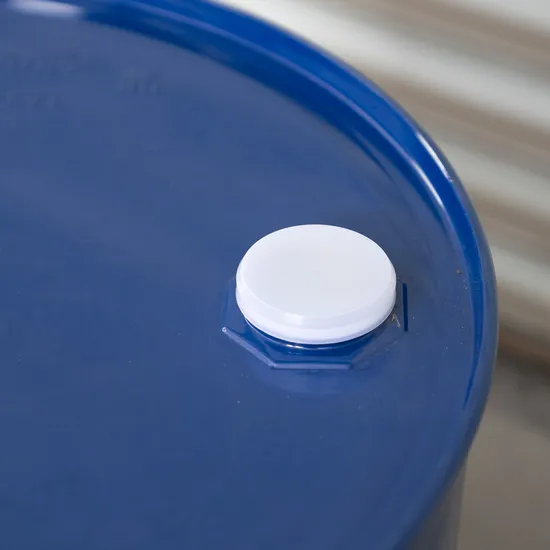
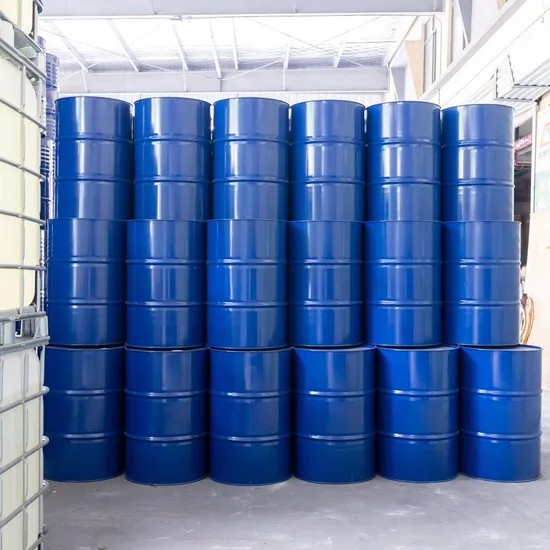
| Packaging | Iron Drum |
| Origin | China |
Triethylenetetramine Epoxy Resin Hardener CAS 112-24-3: Solving Curing Efficiency Challenges in Industrial Applications
Industrial manufacturers and researchers often face critical challenges with epoxy resin hardeners: unpredictable curing times leading to production delays, batch inconsistencies causing product quality variations, and supplier reliability issues disrupting supply chains. Having worked with over 10,000 industrial clients across 50+ countries, we’ve witnessed how these issues directly impact manufacturing efficiency and research reproducibility.
A Stable and Reliable Epoxy Curing Solution
Our Triethylenetetramine Epoxy Resin Hardener addresses these core challenges through its ISO-certified production process and consistent formulation. As a key component in epoxy resin systems, this hardener delivers predictable curing performance, ensuring uniform results across production batches. With 10+ years of chemical manufacturing experience, we’ve optimized our supply chain to maintain stable availability, supporting both large-scale industrial production and precision laboratory research.
Typical Industrial Applications
This ISO Certified Epoxy Curing Agent finds extensive use in industrial coating formulations, composite material production, and adhesive manufacturing. It serves as a critical component in the production of high-performance epoxy resins for aerospace, automotive, and construction industries, where curing efficiency and bond strength are paramount. In laboratory settings, it is utilized for material science research and product development, providing consistent results for experimental validation.
Why Key Specifications Matter
The molecular formula C6H18N4 and molecular weight of 146.23 are fundamental to this hardener’s reactivity, ensuring optimal cross-linking with epoxy resins. The ISO certification guarantees adherence to strict quality control standards, minimizing impurity levels that could compromise curing efficiency or final product performance. The iron drum packaging provides secure containment during transport and storage, preventing contamination and maintaining product integrity. These specifications collectively ensure that the hardener integrates seamlessly into existing production processes, reducing waste and rework.
What You Gain With Our Efficient Curing Hardener
Using our Triethylenetetramine Epoxy Resin Hardener translates to tangible operational benefits: reduced curing time improves production throughput, while batch consistency lowers quality control costs. Unlike uncertified alternatives, our ISO-compliant product minimizes the risk of resin failure, which can lead to costly rejections and project delays. The stable supply chain ensures uninterrupted production, eliminating the hidden costs of production downtime. For research institutions, this reliability means experimental results are reproducible, accelerating development timelines.
Why You Can Trust Us
Our commitment to quality is demonstrated through rigorous multi-stage testing, including HPLC and GC analysis, to verify purity and composition. Each batch is accompanied by a Certificate of Analysis (COA) detailing test results, providing complete transparency. We maintain a dedicated quality control team with advanced analytical equipment to ensure every shipment meets specifications. Our 10+ years in the industry have built a reputation for resolving technical challenges, with a responsive support team available to address application-specific questions. With production facilities capable of large-scale manufacturing, we guarantee consistent supply even for high-volume requirements.
Certificate of Analysis & Documentation
Every order includes a batch-specific COA and MSDS, providing detailed safety and handling information. For critical applications, additional testing data can be requested, including chromatographic profiles and purity verification reports. Our documentation ensures compliance with international shipping regulations and industrial safety standards, supporting your quality management systems.
Storage & Handling
- Store in a cool, dry, well-ventilated area, sealed and away from direct sunlight.
- Keep away from incompatible materials, food and feed sources.
- Handle with appropriate personal protective equipment (gloves, goggles, lab coat).
- Follow good industrial hygiene practices. Avoid inhalation and skin contact.
- Refer to MSDS for detailed storage and safety instructions.
How to Place Your Order
Initiate your purchase by submitting an inquiry through our platform, specifying your required quantity and technical requirements. Our team will confirm availability and provide a detailed quotation within 24 hours. For first-time users, sample requests can be arranged to verify compatibility with your processes. Once specifications are confirmed, orders are processed with clear delivery timelines, and all necessary documentation is provided upon shipment.
Frequently Asked Questions
Q: What is the shelf life of this Triethylenetetramine Epoxy Resin Hardener?
A: When stored properly in sealed original packaging under recommended conditions, the product has a shelf life of 12 months from the date of manufacture.
Q: Can this product be used for food or pharmaceutical applications?
A: No, this product is strictly for industrial and laboratory research use only, and not intended for direct human consumption, therapeutic, or household use.
What documentation is provided with each shipment?
A: Each order includes a Certificate of Analysis (COA) and Material Safety Data Sheet (MSDS) specific to the batch shipped.
Q: Is custom packaging available?
A: Standard packaging is iron drum. For large-volume orders, custom packaging options may be available upon request; please contact our sales team for details.
Q: How is the product's purity verified?
A: Purity is verified through HPLC and GC analysis, with results documented in the batch-specific COA. Additional testing can be arranged for critical applications.