
For industrial manufacturing and laboratory research purposes only.
Product Specifications
| Parameter | Value |
|---|---|
| Model NO. | HLP-520 |
| Appearance | White Flakes |
| pH Value (1% Aqueous Solution) | 9.0±1.0 |
| Hydroxyl Value (by KOH) | 16.0-20.0 mg/g |
| Retention Rate of Double Bonds | ≥90% |
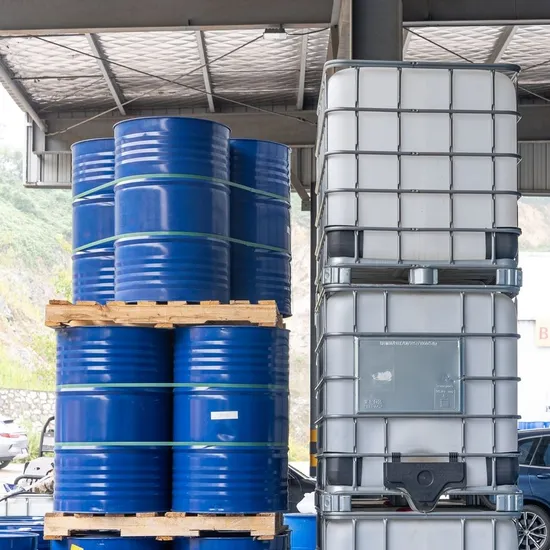
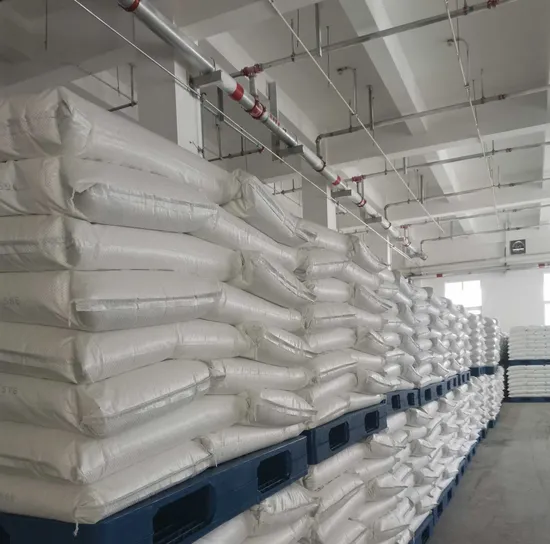
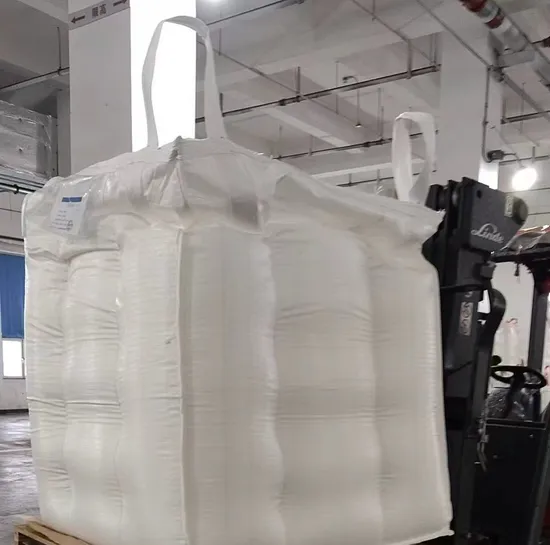
| Package | FIBC/25kg Bagged |
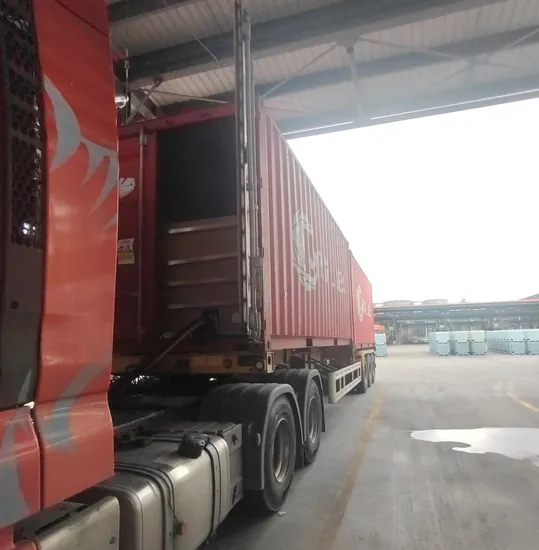
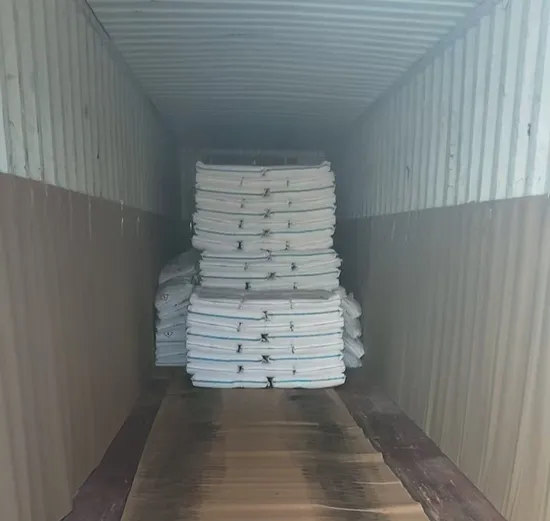
| Transport Package | FIBC/25kg Bagged |
| Specification | HLP-520 |
| Origin | Jiangsu, China |
Epeg 3000 PCE Powder: Resolving Concrete Additive Inconsistencies in Industrial Applications
Concrete producers and construction material researchers often face critical challenges with additive performance—fluctuating hydroxyl values causing unpredictable water reduction efficiency, inconsistent double bond retention leading to batch-to-batch strength variations, and opaque supply chains making it difficult to verify product origins. Over our 10+ years serving global industrial clients, we’ve witnessed how these issues directly impact project timelines and material quality.
A Stable Solution for Superior Concrete Strength
Our Epeg 3000 PCE Powder addresses these pain points through rigorous manufacturing controls. As a high-performance concrete strength additive, its precisely maintained hydroxyl value range (16.0-20.0 mg/g KOH) ensures consistent dispersibility, while the ≥90% double bond retention rate guarantees reliable polymer crosslinking during concrete curing. Sourced from our Jiangsu production facility, this white flakes PCE delivers the stability industrial clients require for large-scale construction projects and formula development.
Industrial Applications of Epeg 3000 PCE
This PCE powder finds critical use in high-strength concrete formulations, where its molecular structure enhances cement particle dispersion and reduces water demand without compromising workability. Typical applications include precast concrete elements, high-rise construction, and infrastructure projects requiring enhanced early strength development and long-term durability. It serves as a key component in specialized concrete mixes for industrial flooring, bridge construction, and architectural prefabrication.
Key Specifications Driving Performance
The hydroxyl value directly influences the additive’s ability to adsorb onto cement particles—values below 16.0 mg/g reduce dispersing efficiency, while exceeding 20.0 mg/g can lead to excessive air entrainment. The 9.0±1.0 pH range ensures compatibility with various cement types, preventing premature setting or delayed hydration. Most critically, the high double bond retention rate ensures the polymer chains maintain their structural integrity during concrete mixing and curing, directly contributing to the final compressive strength development of high strength concrete PCE powder applications.
Benefits of Reliable Epeg 3000 Concrete Additive
Using our Epeg 3000 PCE Powder minimizes the risks associated with substandard additives: inconsistent concrete slump values, reduced compressive strength, and increased water-cement ratios that compromise durability. Our production adheres to strict quality management protocols, ensuring each batch meets the same performance standards. This consistency translates to predictable material costs, reduced waste from failed batches, and the ability to meet tight construction schedules—critical factors for industrial clients operating in competitive markets.
Our Quality Assurance Commitment
Every production run undergoes comprehensive testing, including hydroxyl value determination via titration, double bond retention analysis through FTIR spectroscopy, and pH measurement in aqueous solution. We provide a Certificate of Analysis (COA) with each shipment, detailing batch-specific test results. Our Jiangsu facility maintains annual production capacity exceeding 5,000 metric tons, ensuring stable supply even for large-scale projects. If any parameter fails to meet specifications, we offer full batch replacement at no additional cost.
Certificate of Analysis & Documentation
Each delivery includes a batch-specific COA and MSDS, providing detailed safety and handling information. For critical applications, we can arrange third-party testing through ISO 17025 accredited laboratories. Historical batch data is retained for five years, allowing clients to reference specific production runs when conducting long-term performance analysis.
Storage & Handling
- Store in a cool, dry, well-ventilated area, sealed and away from direct sunlight.
- Keep away from incompatible materials, food and feed sources.
- Handle with appropriate personal protective equipment (gloves, goggles, lab coat).
- Follow good industrial hygiene practices. Avoid inhalation and skin contact.
- Refer to MSDS for detailed storage and safety instructions.
Streamlined Ordering Process
Initiate your order by submitting a specification request through our platform, including required quantity and delivery timeline. We recommend requesting a 500g sample for compatibility testing with your specific concrete mix design. Upon sample approval, standard lead time for production batches is 7-10 business days, with flexible shipping options to match your project schedule. All industrial orders include comprehensive technical support from our material science team.
Frequently Asked Questions
Q: What is the shelf life of Epeg 3000 PCE Powder?
A: When stored in original sealed packaging under recommended conditions, the product maintains stability for 12 months from the manufacturing date.
Q: Is this product suitable for use in food-contact concrete applications?
A: No, this product is intended for industrial and laboratory research use only and should not be used in applications involving direct food contact.
Q: What documentation is provided with each shipment?
A: Each order includes a Certificate of Analysis (COA), Material Safety Data Sheet (MSDS), and shipping documentation.
Q: Can the packaging be customized for large-volume orders?
A: Yes, we offer custom packaging options including 1-ton FIBC bags for bulk orders. Contact our sales team for specific requirements.
Q: How is the product's performance verified?
A: Performance is verified through both in-house testing and third-party analysis, with key parameters including hydroxyl value, double bond retention, and pH stability.