For industrial manufacturing and laboratory research purposes only.
Product Specifications
| Parameter | Value |
|---|---|
| Model NO. | Ethanediamine |
| Certification | ISO |
| Molecular Formula | C2H8N2 |
| Molecular Weight | 60.10 |
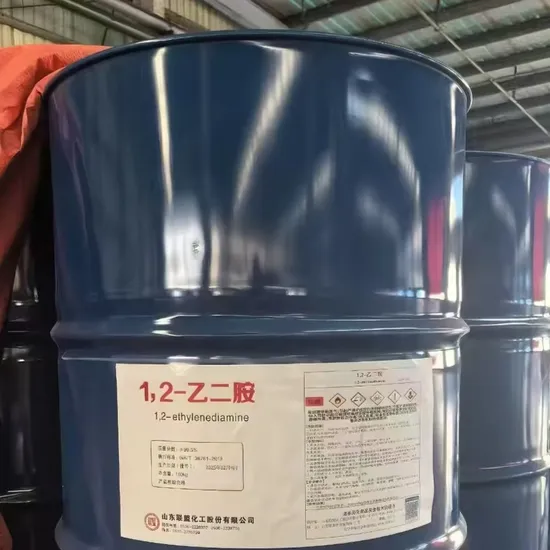
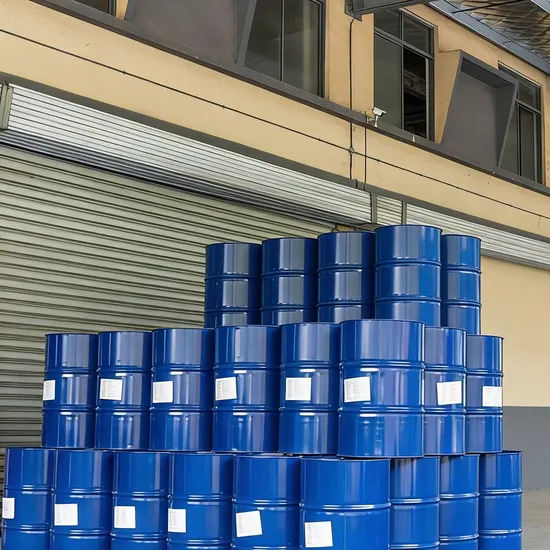
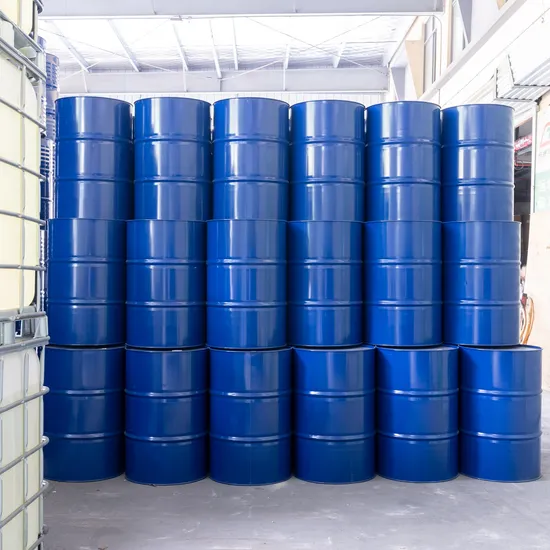
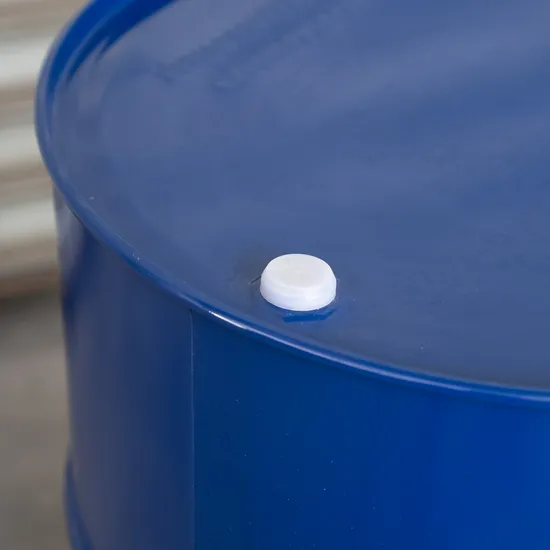
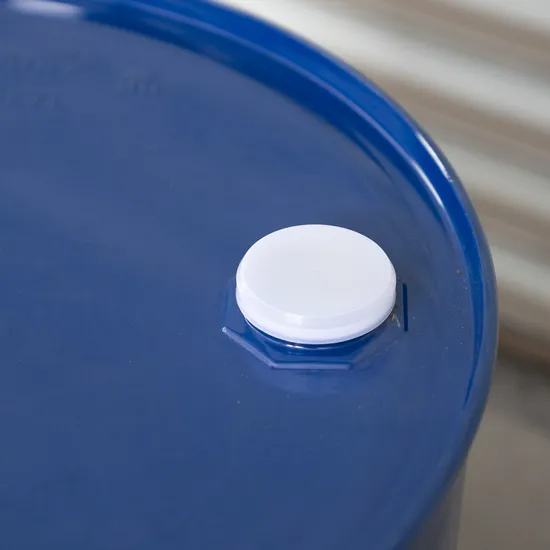
| Transport Package | Iron Drum |
| Origin | China |
Overcoming Lubricant Formulation Challenges with ISO-Certified Ethanediamine Additives
For over a decade in the chemical supply industry, we've witnessed how inconsistent additive quality can derail production—batch variations causing equipment wear issues, uncertified products failing regulatory audits, and delayed shipments disrupting manufacturing schedules. These challenges aren't just frustrating; they directly impact operational efficiency and bottom-line results for industrial facilities and research labs alike.
A Stable Foundation for High-Performance Lubricant Solutions
Our Ethanediamine Lubricant Additives address these critical pain points through rigorous manufacturing controls and ISO certification. As a supplier serving 50+ countries and 10,000+ industrial clients, we've developed a supply chain that ensures consistent molecular structure (C2H8N2) and reliable performance across every iron drum delivered. Whether for large-scale industrial lubricant production or precision laboratory formulations, our additives provide the stability researchers and production managers need to maintain process integrity.
Industrial Applications and Formulation Benefits
Ethanediamine additives play a vital role in enhancing lubricant performance across multiple industrial sectors. In metalworking fluids, they improve anti-corrosion properties and thermal stability, while in industrial gear oils, they contribute to load-carrying capacity and oxidation resistance. These Operational Efficiency Lubricant Additives are particularly valued in manufacturing environments where equipment reliability directly correlates with production output and maintenance costs.
Key Specifications Driving Performance
The molecular formula C2H8N2 is the cornerstone of this additive's functionality, providing the amine groups necessary for surface adhesion and friction reduction. With a precise molecular weight of 60.10, our formulation ensures optimal solubility in various base oils, preventing separation issues that compromise lubricant effectiveness. The ISO certification validates our commitment to consistent purity levels, which minimizes particulate contamination—a critical factor in extending equipment lifespan and reducing downtime in precision manufacturing processes.
Risk Mitigation Through Quality Assurance
Choosing certified Ethanediamine ISO Certified Lubricant additives eliminates the hidden costs associated with substandard materials. Inferior additives often contain unregulated impurities that accelerate lubricant degradation, leading to increased equipment wear and more frequent oil changes. Our ISO-certified process guarantees batch-to-batch consistency, reducing the variability that causes production inconsistencies and quality control failures. For global manufacturers, this compliance also simplifies cross-border logistics by meeting international regulatory requirements.
Our Quality Commitment: Beyond Certification
Every iron drum of our Ethanediamine Lubricant Additives undergoes comprehensive testing before leaving our facility, including Fourier-transform infrared spectroscopy (FTIR) for molecular structure verification and Karl Fischer titration for moisture content analysis. We provide a Certificate of Analysis (COA) with each shipment, detailing batch-specific test results. Our production facility maintains a 500-ton monthly capacity, ensuring stable supply even during peak demand periods. Should any product fail to meet specified parameters, our 30-day replacement guarantee ensures minimal disruption to your operations.
Certificate of Analysis & Documentation
Each order includes a batch-specific COA and MSDS, with detailed test data including assay values, moisture content, and impurity profiles. For critical applications requiring additional verification, we can provide supporting documentation such as ISO certification copies and method validation reports upon request.
Storage & Handling
- Store in a cool, dry, well-ventilated area, sealed and away from direct sunlight.
- Keep away from incompatible materials, food and feed sources.
- Handle with appropriate personal protective equipment (gloves, goggles, lab coat).
- Follow good industrial hygiene practices. Avoid inhalation and skin contact.
- Refer to MSDS for detailed storage and safety instructions.
Streamlined Procurement Process
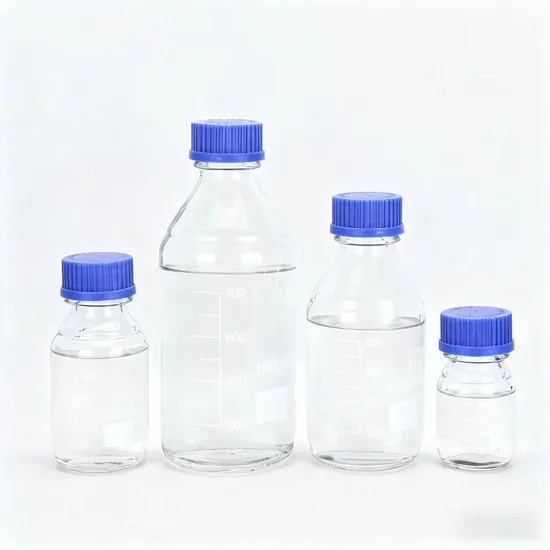
Initiate your order by submitting a specification request through our secure portal, where our technical team will confirm product suitability for your application. We offer 5L sample quantities for qualification testing, followed by bulk ordering options in standard iron drum packaging. All shipments include complete documentation to facilitate customs clearance and internal quality control procedures.
Frequently Asked Questions
Q: What is the shelf life of Ethanediamine Lubricant Additives?
A: When stored properly in sealed original packaging, the product maintains stability for 24 months from the manufacturing date indicated on the COA.
Q: Can this product be used in food-grade or pharmaceutical applications?
A: No, this product is intended FOR INDUSTRIAL AND LABORATORY RESEARCH USE ONLY. It is not certified for applications involving direct human consumption or medical use.
Q: What documentation is provided with each shipment?
A: Every order includes a Certificate of Analysis (COA), Material Safety Data Sheet (MSDS), and ISO certification verification.
Q: Do you offer custom packaging options beyond iron drums?
A: Yes, we can accommodate bulk packaging requests including intermediate bulk containers (IBCs) for qualified large-volume orders. Contact our sales team for details.
Q: How is product purity verified?
A: Purity is confirmed through multiple analytical techniques including gas chromatography (GC) and titration methods, with results documented in the batch-specific COA.