For industrial manufacturing and laboratory research purposes only.
Product Specifications
| Parameter | Value |
|---|---|
| Model NO. | HLP-ME250 |
| Chemical Composition | Polycarboxylate Ether |
| Type | High-range Water-reducing Agent |
| Water Reduction Rate | 30%-40% |
| Product Name | Polycarboxylate Superplasticizer |
| Density | 1.10 ± 0.02 G/Cm³ |
| pH Value | 5.5 ± 1.5 |
| Total Content | 50 ± 2 (%) |
| Total Alkali | ≤ 10.0 (%) |
| Chloride Ion | ≤ 0.2 (%) |
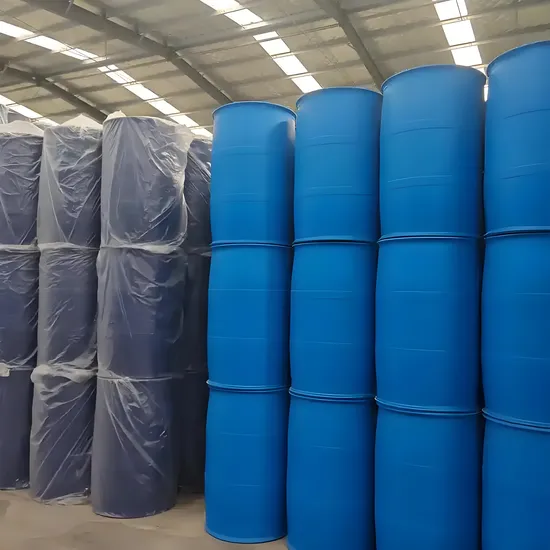
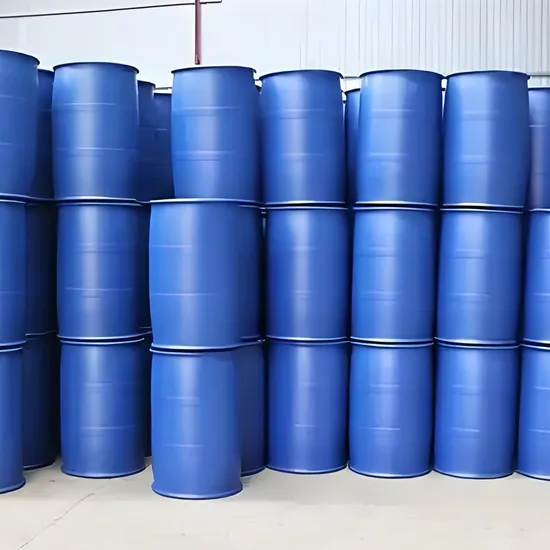
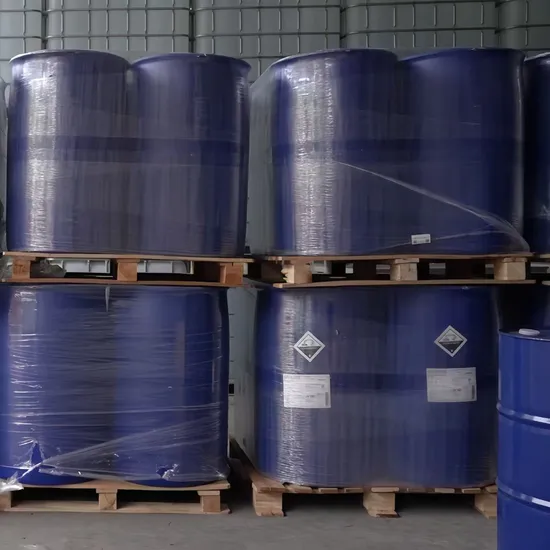
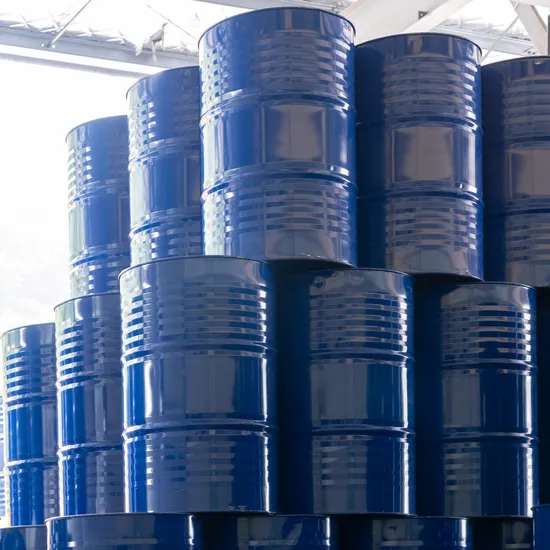
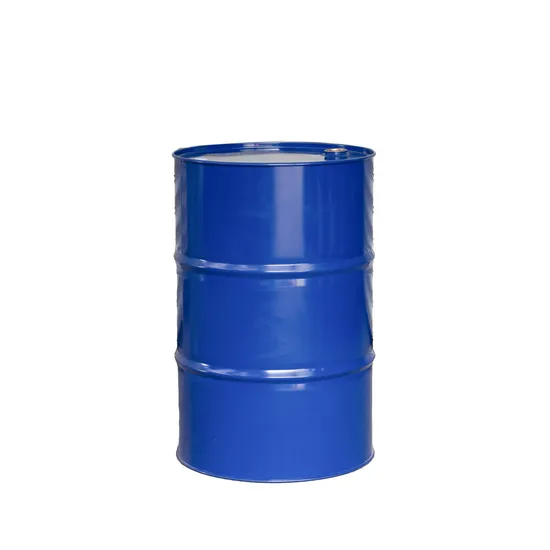
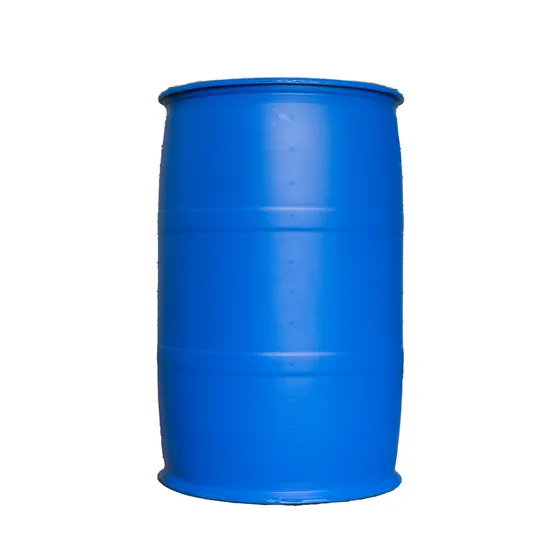
| Packaging | IBC (Intermediate Bulk Container)/Flexitank |
| Transport Package | IBC/Flexitank |
| Specification | Standard Specifications or Customized |
| Origin | Jiangsu, China |
| HS Code | 3824401000 |
Addressing Concrete Production Challenges with HLP-ME250 Polycarboxylate Superplasticizer
Concrete producers and researchers often face critical challenges: inconsistent water reduction rates leading to strength variability, high alkali content causing efflorescence issues, and chloride ion超标 compromising structural durability. Over our 10+ years serving 50+ countries, we've witnessed how these issues directly impact project timelines and material performance in large-scale construction.
A Stable Solution for High-Performance Concrete
Our HLP-ME250 Polycarboxylate Superplasticizer addresses these pain points through its precisely controlled 30-40% water reduction rate and strict chemical composition. As a high-performance superplasticizer, it ensures consistent concrete workability across batches, reducing the risk of strength fluctuations that plague construction projects. With our established supply chain serving 10000+ industrial clients, we guarantee reliable availability even for large-volume orders.
Industrial Applications in Modern Construction
This Polycarboxylate Ether Superplasticizer is widely utilized in precast concrete production, high-rise building construction, and infrastructure projects requiring high-strength concrete. Its ability to maintain workability while reducing water content makes it ideal for self-compacting concrete and projects with complex formwork. The product's low chloride ion content (≤0.2%) is particularly valuable for marine and coastal construction where corrosion resistance is critical.
Key Specifications and Their Production Impact
The 50±2% total content ensures optimal dispersing efficiency, directly influencing the water reduction performance. A density of 1.10±0.02 g/cm³ guarantees consistent dosing accuracy during batching, preventing over- or under-addition that could compromise concrete quality. The pH value of 5.5±1.5 minimizes alkali-aggregate reaction risks, while total alkali ≤10.0% reduces efflorescence potential on finished surfaces. These tightly controlled parameters collectively ensure batch-to-batch consistency, a critical factor for large-scale concrete production.
Benefits of Choosing Quality Concrete Additives
Using a reliable Polycarboxylate Superplasticizer like HLP-ME250 translates to tangible benefits: improved concrete strength through optimal water-cement ratio, reduced cement consumption without performance loss, and enhanced durability through controlled chemical composition. In contrast, inferior water reducing agents often lead to segregation, reduced workability retention, and long-term structural issues. Our product complies with industry standards for concrete admixtures, ensuring compatibility with various cement types and supplementary cementitious materials.
Our Commitment to Quality Assurance
Every batch of HLP-ME250 undergoes rigorous testing including density measurement, pH analysis, and water reduction efficiency verification. We provide a Certificate of Analysis (COA) with each shipment, detailing all key parameters. Our production facility operates under strict quality control protocols, ensuring that each IBC or flexitank contains product meeting the specified standards. Should any batch fail to meet your requirements, we offer无条件 replacement to minimize disruption to your operations.
Certificate of Analysis & Documentation
Each delivery includes a batch-specific COA and MSDS, providing complete transparency on product composition and handling requirements. For critical projects, detailed test reports and performance data can be provided upon request, supporting your quality control processes and regulatory compliance needs.
Storage & Handling
- Store in a cool, dry, well-ventilated area, sealed and away from direct sunlight.
- Keep away from incompatible materials, food and feed sources.
- Handle with appropriate personal protective equipment (gloves, goggles, lab coat).
- Follow good industrial hygiene practices. Avoid inhalation and skin contact.
- Refer to MSDS for detailed storage and safety instructions.
Streamlined Ordering Process
To place an order for HLP-ME250 Superplasticizer, simply submit your requirements through our platform, specifying quantity and packaging preference (IBC or flexitank). We can provide samples for testing prior to full-scale order placement, ensuring compatibility with your specific concrete mix design. All orders include comprehensive documentation to support your receiving and quality control procedures.
Frequently Asked Questions
Q: What is the shelf life of HLP-ME250 Polycarboxylate Superplasticizer?
A: When stored properly in sealed containers under recommended conditions, the product typically maintains its performance for 12 months from the date of manufacture.
Q: Can this product be used in food or pharmaceutical applications?
A: No, HLP-ME250 is intended FOR INDUSTRIAL AND LABORATORY RESEARCH USE ONLY. It is not suitable for direct human consumption, therapeutic, or household use.
Q: What documentation is provided with each shipment?
A: Each order includes a Certificate of Analysis (COA) specific to the batch and a Material Safety Data Sheet (MSDS) with handling and safety information.
Q: Do you offer customized specifications for this superplasticizer?
A: Yes, we provide customized specifications in addition to our standard product offerings to meet specific project requirements.
Q: How is the water reduction rate of HLP-ME250 verified?
A: The 30-40% water reduction rate is determined through standard concrete testing procedures, measuring the difference in water content required to achieve specified slump compared to plain concrete mixtures.