For industrial manufacturing and laboratory research purposes only.
Product Specifications
| Parameter | Value |
|---|---|
| Model NO. | MEA |
| Certification | ISO |
| CAS Number | 141-43-5 |
| Molecular Formula | C₂H₇NO |
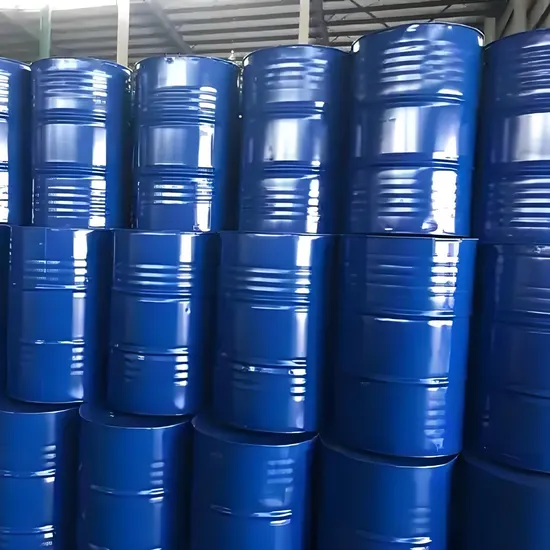
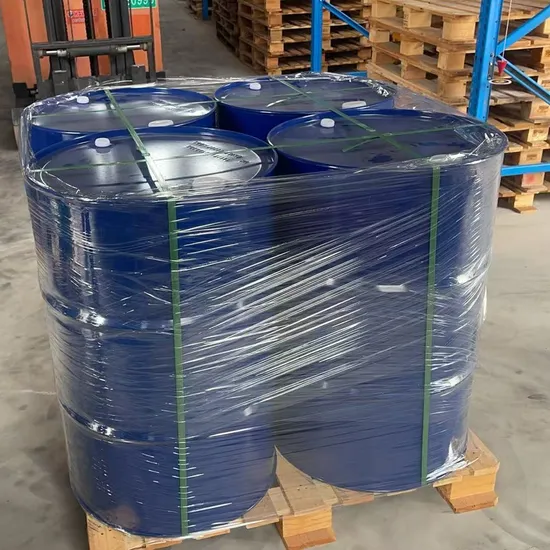
| Transport Package | 200L Plastic Drum |
| Origin | China |
Overcoming Cement Grinding Inefficiencies with 2-Aminoethanol Enhancer CAS 141-43-5
Cement producers worldwide face persistent challenges: unpredictable grinding efficiency fluctuations, excessive energy consumption from suboptimal additives, and batch inconsistencies that disrupt production schedules. In our 10+ years serving cement manufacturers across 50+ countries, we’ve witnessed how even minor variations in grinding aid quality can derail kiln operations and inflate production costs.
A Stable Solution for Consistent Cement Grinding Performance
Our 2-Aminoethanol Cement Grinding Enhancer delivers the reliability industrial producers demand. As a trusted supplier to 10,000+ industrial clients, we’ve refined our MEA Formula to ensure batch-to-batch consistency, directly addressing the supply chain risks highlighted in industry reports. This industrial grade additive integrates seamlessly into existing cement production lines, reducing mill downtime while maintaining optimal clinker grinding efficiency.
Industrial Applications in Cement Manufacturing
This ISO Certified Cement Additive plays a critical role in modern cement production, acting as a grinding aid to reduce particle size distribution and improve flowability of cementitious materials. Its application spans Portland cement, slag cement, and blended cement production, where it enhances mill throughput without compromising final product strength—a key requirement for large-scale construction projects and precast concrete manufacturers.
Key Specifications Driving Performance
The CAS 141-43-5 identifier ensures chemical purity, eliminating the risk of unknown impurities that cause grinding inefficiencies. Our precise molecular formula (C₂H₇NO) guarantees the correct hydroxyl and amino group balance, essential for surface activation of cement particles. ISO certification validates our production processes, while the 200L plastic drum packaging ensures product integrity during transportation and storage—critical factors for maintaining additive performance from factory to mill.
Risk Reduction Through Quality Assurance
Using our Chemical Grinding Enhancer for Cement Production mitigates the hidden costs of substandard additives: inconsistent grind fineness, increased energy consumption, and product quality deviations. Unlike uncertified alternatives, our ISO-compliant manufacturing process ensures heavy metal content stays below industry thresholds, supporting compliance with global construction material standards. The stable supply chain from our China production facility minimizes the production delays that erode profit margins.
Our Quality Commitment
Every batch of 2-Aminoethanol Cement Grinding Enhancer undergoes rigorous testing, including HPLC purity analysis and moisture content verification, with results documented in a Certificate of Analysis (COA). Our production capacity of 500 tons/month ensures consistent availability, while our technical support team provides personalized guidance on dosage optimization. We stand behind our product with a 30-day quality guarantee—if specifications don’t match your COA, we arrange replacement at no cost.
Certificate of Analysis & Documentation
Each order includes a batch-specific COA with full test results and safety data sheet (MSDS) compliant with REACH and OSHA standards. For critical projects, we can provide additional third-party testing reports upon request. Historical batch data is retained for 5 years, enabling traceability for quality control audits.
Storage & Handling
- Store in a cool, dry, well-ventilated area, sealed and away from direct sunlight.
- Keep away from incompatible materials, food and feed sources.
- Handle with appropriate personal protective equipment (gloves, goggles, lab coat).
- Follow good industrial hygiene practices. Avoid inhalation and skin contact.
- Refer to MSDS for detailed storage and safety instructions.
Streamlined Procurement Process
Initiate your order by submitting a specification request through our portal, where our technical team will confirm compatibility with your cement type and production parameters. We offer sample testing (5L minimum) to validate performance before full-scale procurement, with typical lead times of 7-10 business days for standard orders. All shipments include customs documentation to facilitate international logistics.
Frequently Asked Questions
Q: What is the shelf life of the 2-Aminoethanol Cement Grinding Enhancer?
A: When stored properly in sealed original packaging, the product maintains stability for 12 months from the manufacturing date.
Q: Can this product be used in food or pharmaceutical applications?
A: No, this product is strictly for industrial and laboratory research use only, as stated in the disclaimer.
Q: What documentation is provided with each shipment?
A: Each order includes a Certificate of Analysis (COA), Material Safety Data Sheet (MSDS), and shipping documents.
Q: Is custom packaging available?
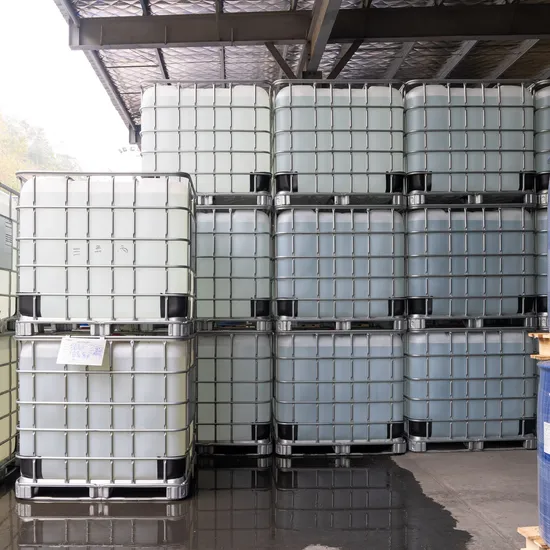
A: Yes, we offer custom packaging options for bulk orders. Contact our sales team for details on 1000L IBC containers or tank truck deliveries.
Q: How is product purity verified?
A: Purity is verified through HPLC analysis, with results documented in the batch-specific COA provided with each shipment.