
For industrial manufacturing and laboratory research purposes only.
Product Specifications
| Parameter | Value |
|---|---|
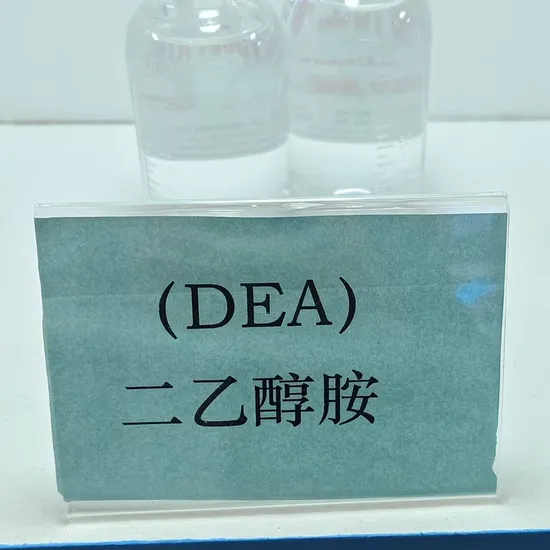
| Model NO. | Ethanediamine |
| Certification | ISO |
| Molecular Formula | C₂H₈N₂ |
| Molecular Weight | 60.10 |
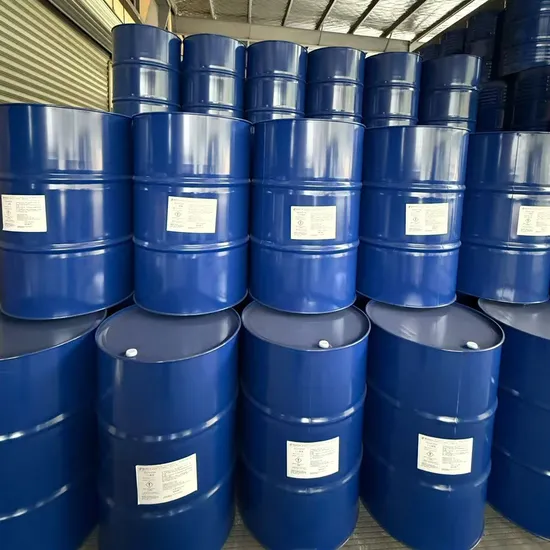
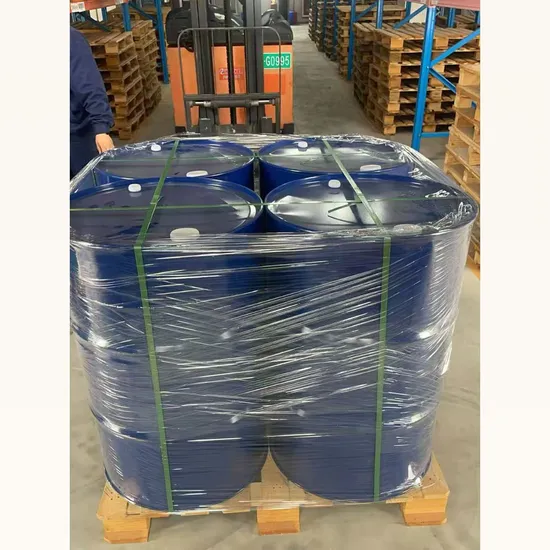
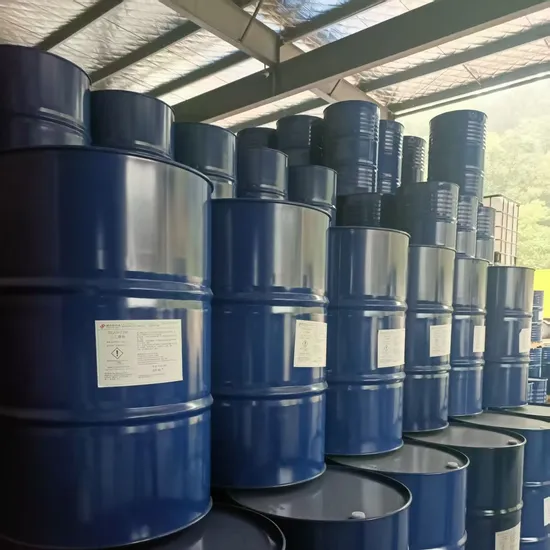
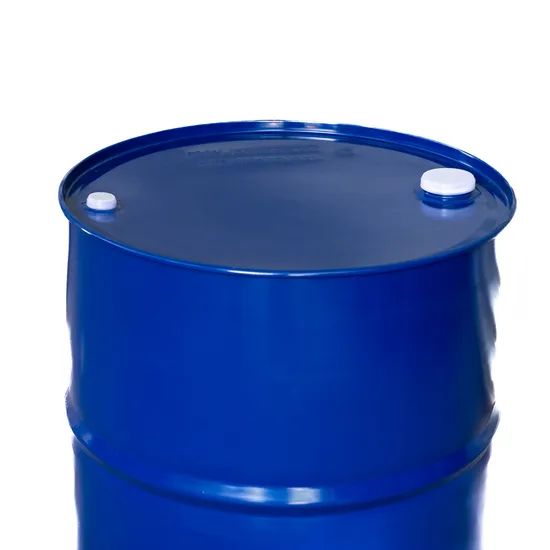
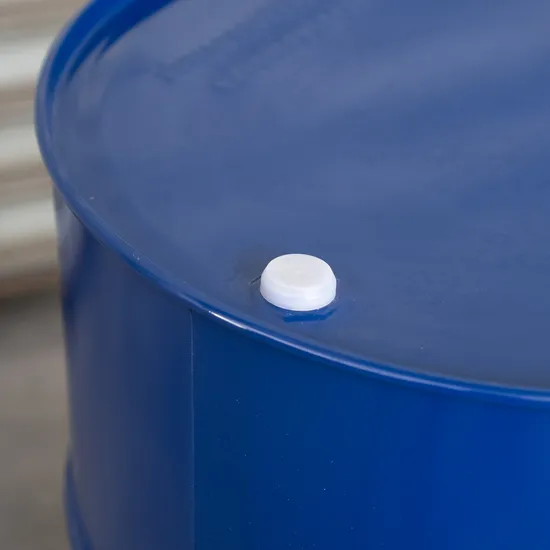
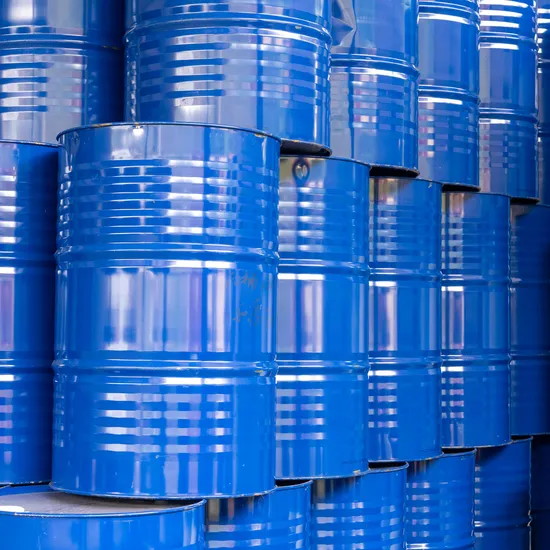
| Transport Package | Iron Drum |
| Origin | China |
Addressing Vulcanization Inconsistencies with Ethanediamine Rubber Vulcanization Accelerators
Rubber manufacturers and researchers often face critical challenges: unpredictable curing times due to accelerator purity fluctuations, batch-to-batch variations that compromise product consistency, and supply chain disruptions that delay production schedules. In our 10+ years serving the chemical industry, we've witnessed how these issues directly impact processing efficiency and final product quality, especially in high-precision rubber manufacturing.
A Stable Solution for Efficient Rubber Processing
Our Ethanediamine Rubber Vulcanization Accelerators address these core pain points through rigorous manufacturing controls and ISO-certified production standards. As a supplier with experience supporting 10000+ industrial clients across 50+ countries, we understand that consistent accelerator performance is non-negotiable for maintaining optimal vulcanization cycles and rubber product integrity.
Typical Industrial Applications
This ISO Certified Rubber Vulcanization Accelerator is widely utilized in industrial rubber processing, including the production of tires, seals, gaskets, and conveyor belts. It serves as a critical additive in rubber compounding, facilitating cross-linking reactions between polymer chains to enhance mechanical properties such as tensile strength, elasticity, and heat resistance—strictly for industrial manufacturing processes.
Why Key Specifications Matter
The precise molecular formula (C₂H₈N₂) and molecular weight (60.10) of our Ethanediamine accelerator ensure consistent reactivity in vulcanization systems, reducing the risk of under-curing or over-curing. ISO certification guarantees adherence to international quality standards, minimizing batch variations that can cause production bottlenecks. The iron drum packaging provides secure, contamination-free storage and transportation, preserving product stability from our facility to your production line.
The Value of Reliable Accelerator Supply
Using our ISO Certified Accelerators reduces production risks associated with substandard materials, such as inconsistent curing rates that lead to product rejects and increased waste. In contrast, uncertified accelerators may introduce impurities that compromise rubber performance or violate industry regulations. Our commitment to stable supply chains ensures uninterrupted production, helping you avoid costly downtime and meet tight manufacturing deadlines.
Our Quality Assurance Commitment
Every batch of our Ethanediamine Rubber Vulcanization Accelerators undergoes comprehensive testing, including chemical composition analysis and purity verification, to ensure compliance with stated specifications. We provide a Certificate of Analysis (COA) with each shipment, detailing batch-specific test results. Our production facility maintains ISO standards, with dedicated quality control personnel overseeing all manufacturing stages. In the rare event of non-conformance, we offer unconditional replacement to protect your production integrity.
Certificate of Analysis & Documentation
Each order includes a batch-specific COA and Material Safety Data Sheet (MSDS), providing detailed safety and handling information. For critical applications, additional technical documentation can be requested, including method validation reports and stability data, to support your quality assurance processes.
Storage & Handling
- Store in a cool, dry, well-ventilated area, sealed and away from direct sunlight.
- Keep away from incompatible materials, food and feed sources.
- Handle with appropriate personal protective equipment (gloves, goggles, lab coat).
- Follow good industrial hygiene practices. Avoid inhalation and skin contact.
- Refer to MSDS for detailed storage and safety instructions.
Streamlined Ordering Process
Initiate your order by submitting a request through our platform, specifying your required quantity and delivery timeline. We can arrange sample testing to verify compatibility with your existing rubber compounds prior to full-scale ordering. All shipments include the necessary documentation for customs clearance and internal quality checks, ensuring a smooth transition from order to production.
Frequently Asked Questions
Q: What is the recommended storage period for this accelerator?
A: When stored in original sealed packaging under proper conditions, the product remains stable for 12 months from the date of manufacture.
Q: Can this product be used in food contact rubber applications?
A: No, this product is for industrial and laboratory research use only and is not approved for applications involving direct human consumption or food contact.
Q: What documentation is provided with each shipment?
A: Each shipment includes a Certificate of Analysis (COA) and Material Safety Data Sheet (MSDS).
Q: Is custom packaging available for large-volume orders?
A: Please contact our sales team to discuss custom packaging options for bulk orders.
Q: How is the purity of the Ethanediamine accelerator verified?
A: Purity is verified through chemical analysis during production, with results detailed in the batch-specific COA.