For industrial manufacturing and laboratory research purposes only.
Product Specifications
| Parameter | Value |
|---|---|
| Special Additives | Air-Entrained, Corrosion-Inhibiting, Fiber-Reinforced, Shrinkage-Reducing |
| Type | High-Strength Concrete |
| Purity | 85% Min |
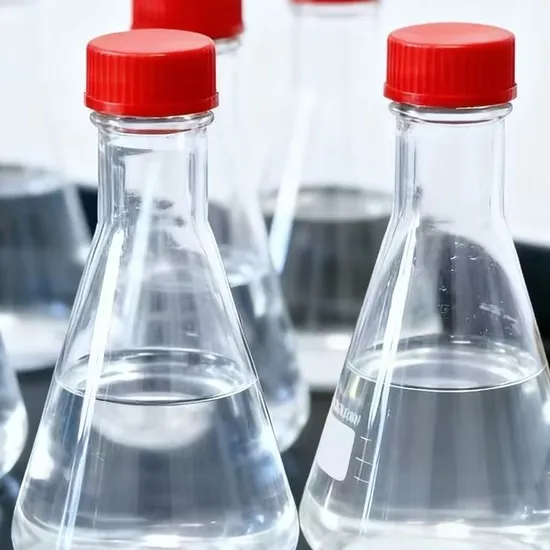
| Appearance | Colorless or Light Yellow Liquid |
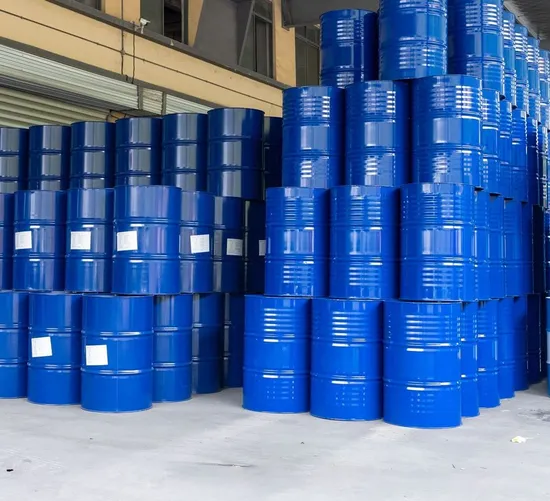
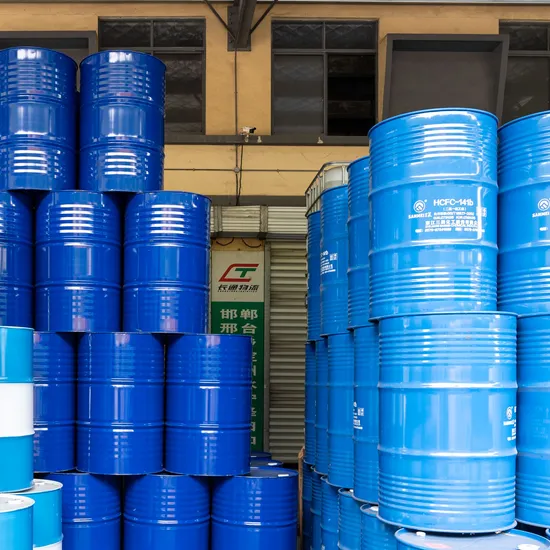
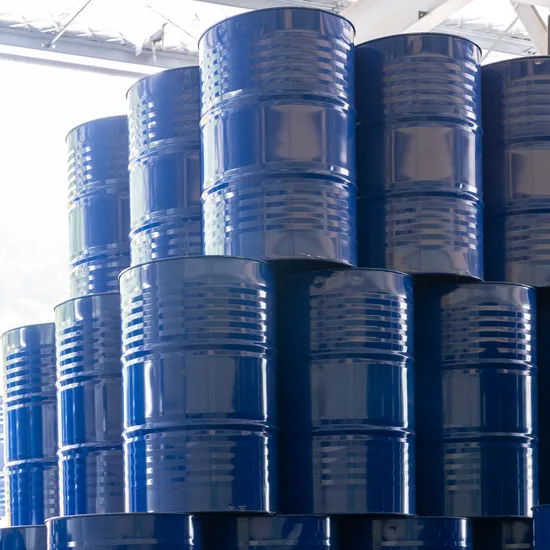
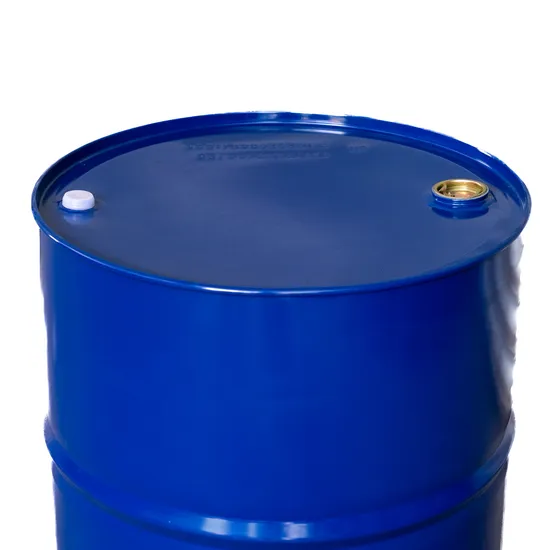
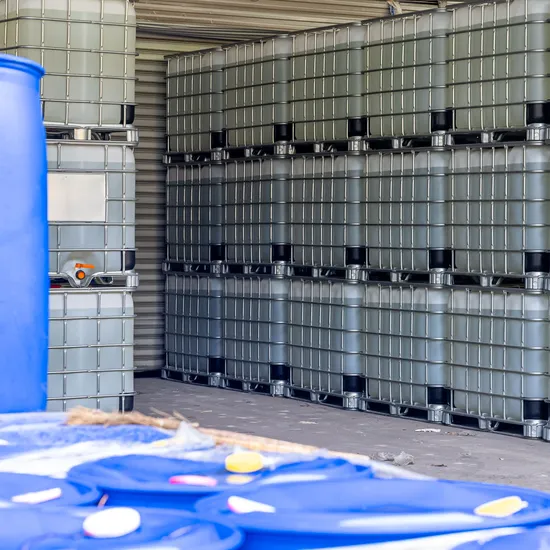
| Transport Package | IBC/Steel Drum |
| Origin | Jiangsu, China |
Addressing Concrete Additive Instability: The Role of High Purity Edipa
Concrete additive manufacturers and construction material researchers often face critical challenges with inconsistent raw material quality—fluctuating purity levels leading to unpredictable concrete strength, batch-to-batch variations disrupting production schedules, and supply chain delays that derail project timelines. In our 10+ years serving the chemical industry, we've witnessed how these issues directly impact the reliability of high-strength concrete formulations, from laboratory-scale trials to large-scale infrastructure projects.
A Stable Solution for High-Strength Concrete Formulations
Our High Purity 85% Monoethanol Diisopropanolamine (Edipa) addresses these core pain points through rigorous manufacturing controls and a supply chain optimized for consistency. As a specialized concrete additive component, this product ensures reliable performance in air-entrainment and shrinkage reduction applications, backed by our experience serving 50+ countries and 10,000+ industrial clients worldwide.
Industrial Applications in Concrete Technology
Edipa for Concrete plays a pivotal role in modern construction material science, primarily functioning as a multifunctional additive in high-strength concrete production. Its unique chemical properties support corrosion inhibition and fiber reinforcement processes, making it suitable for industrial concrete formulations requiring enhanced durability and structural stability. This product is exclusively intended for industrial manufacturing processes, aiding in the development of advanced construction materials.
Key Specifications Driving Performance
The 85% minimum purity of our Edipa liquid is critical for minimizing副反应 and ensuring consistent concrete hardening rates—lower purity alternatives often introduce impurities that disrupt hydration reactions. Its colorless to light yellow appearance serves as a visual indicator of batch uniformity, while the IBC/Steel Drum packaging options are engineered to prevent contamination during transit and storage. These specifications directly translate to reduced material waste, predictable production cycles, and improved finished product quality in concrete manufacturing.
Quality Assurance: From Production to Delivery
Choosing our High Purity Edipa mitigates the risks associated with substandard additives, such as compromised concrete structural integrity or failed quality inspections. Our manufacturing process adheres to strict industrial standards, with each batch undergoing comprehensive testing to verify purity and performance characteristics. Unlike unreliable suppliers, we maintain consistent production capacity to support both small-scale research projects and large-volume industrial orders, ensuring long-term supply stability that protects your production continuity.
Our Commitment to Quality and Reliability
We implement a multi-stage quality control protocol for every production run, including chemical composition analysis and performance testing under simulated concrete mixing conditions. Each shipment includes a Certificate of Analysis (COA) documenting exact purity levels and batch-specific test results. Our 100% satisfaction guarantee ensures prompt replacement of any product failing to meet specified parameters, supported by a dedicated technical team available to address application-specific questions. With production facilities strategically located in Jiangsu, China, we maintain inventory levels to fulfill most orders within 72 hours of confirmation.
Certificate of Analysis & Documentation
Every delivery of our 85% Edipa Liquid includes a batch-specific COA and Material Safety Data Sheet (MSDS) detailing handling precautions and storage requirements. For research institutions requiring detailed analytical data, complete test reports including chromatographic profiles can be provided upon request, ensuring full traceability for your quality control records.
Storage & Handling
- Store in a cool, dry, well-ventilated area, sealed and away from direct sunlight.
- Keep away from incompatible materials, food and feed sources.
- Handle with appropriate personal protective equipment (gloves, goggles, lab coat).
- Follow good industrial hygiene practices. Avoid inhalation and skin contact.
- Refer to MSDS for detailed storage and safety instructions.
Streamlined Ordering Process
Initiate your purchase by submitting a request through our platform, specifying your required quantity and packaging preference. We recommend ordering sample quantities for initial compatibility testing with your concrete formulations before full-scale procurement. All industrial orders include comprehensive documentation and technical support to ensure seamless integration into your production process.
Frequently Asked Questions
Q: What is the shelf life of the product when properly stored?
A: When stored in sealed containers under recommended conditions, the product maintains stability for 12 months from the date of manufacture.
Q: Is this product suitable for use in food or pharmaceutical applications?
A: No, this product is explicitly for industrial and laboratory research use only, and must not be used in applications involving direct human consumption.
Q: What documentation is provided with each shipment?
A: Each order includes a Certificate of Analysis (COA) and Material Safety Data Sheet (MSDS) specific to the shipped batch.
Q: Can the packaging be customized for specific shipping requirements?
A: Yes, we offer customizable packaging solutions for bulk orders; contact our sales team to discuss your specific needs.
Q: How is the product's purity verified?
A: Purity is determined through standardized chemical analysis methods, with results documented in the batch-specific COA provided with each shipment.