

For industrial manufacturing and laboratory research purposes only.
Product Specifications
| Parameter | Value |
|---|---|
| Model NO. | HLP-330 |
| Chemical Composition | Methyl Allyl Alcohol Polyoxyethylene Ether |
| Product Name | Methallyl Polyether Glycol (Hpeg) |
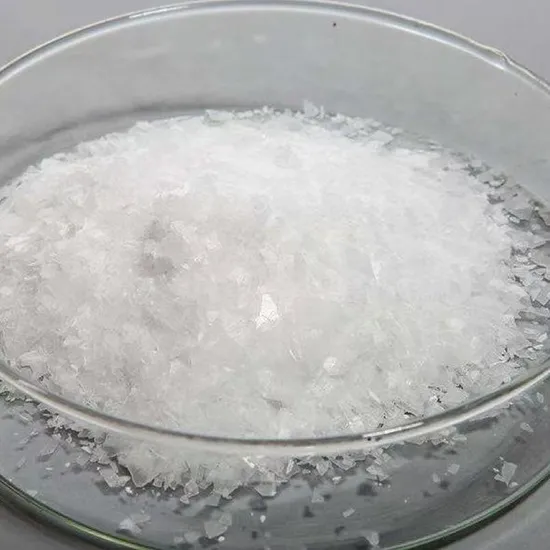
| Appearance | White Flakes |
| Formula | CH2=C(CH3)CH2o(CH2CH2o)Nh |
| pH Value (1% Aqueous Solution) | 6.5±1.0 |
| Hydroxyl Value (by KOH), Mg/G | 22.0-25.0 |
| Retention Rate of Double Bonds (%) | ≥93 |
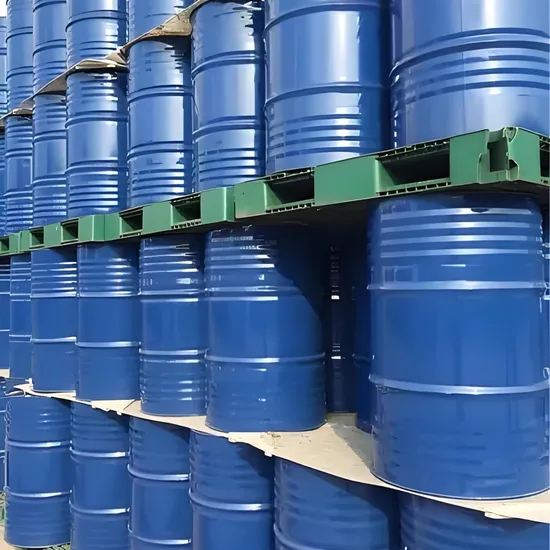
| Package | FIBC/25kg Bagged |
| Origin | Jiangsu, China |
Addressing Concrete Admixture Instability: High Double Bond Retention Hpeg 2400 Solution
Concrete producers and infrastructure contractors frequently face challenges with polycarboxylate ether (PCE) admixtures that exhibit fluctuating performance—often due to inconsistent double bond retention in methallyl polyether glycol raw materials. This variability leads to unpredictable slump retention, reduced water reduction efficiency, and ultimately, compromised concrete strength in large-scale projects. Having supplied chemical raw materials to infrastructure projects across 50+ countries, we've witnessed how such inconsistencies can delay construction timelines and increase material waste.
Methallyl Polyether Glycol Hpeg 2400: The Stable Foundation for PCE Admixtures
Our Methallyl Polyether Glycol Hpeg 2400 addresses these critical pain points through its exceptional double bond retention rate of ≥93%, ensuring consistent polymerization with acrylic acid during PCE synthesis. With over a decade of refining our manufacturing process, we deliver a product that maintains stable hydroxyl values (22.0-25.0 mg KOH/g) and pH levels (6.5±1.0), directly translating to reliable admixture performance in concrete applications. This stability is why our Hpeg 2400 Concrete Admixture raw material has become a trusted choice for 10,000+ industrial clients worldwide.
Key Applications in Infrastructure Construction
Methallyl Polyether Glycol Hpeg 2400 serves as a critical monomer in the production of high-performance PCE admixtures, which are widely used in infrastructure construction projects such as bridges, highways, and high-rise buildings. These admixtures enhance concrete workability, improve early strength development, and reduce water-cement ratios—properties essential for meeting the rigorous durability and performance standards of modern construction. As an Infrastructure Construction PCE Admixture raw material, it enables the production of concrete mixtures that withstand extreme weather conditions and heavy loads.
Why Double Bond Retention and Hydroxyl Value Matter
The ≥93% double bond retention rate in our Hpeg 2400 is not merely a specification—it directly impacts PCE polymer chain length and functionality. Higher retention ensures complete copolymerization, resulting in admixtures with consistent dispersing ability and slump retention. Similarly, the controlled hydroxyl value range (22.0-25.0 mg KOH/g) guarantees precise molecular weight distribution, which is critical for balancing water reduction efficiency and concrete setting time. These parameters are rigorously tested in our ISO 9001-certified laboratory to eliminate batch-to-batch variations that plague lower-quality alternatives.
The Cost of Compromise vs. the Value of Reliability
Choosing Methallyl Polyether Glycol with subpar double bond retention may initially reduce raw material costs, but the hidden expenses are substantial: failed concrete tests, rework, and project delays. Our Hpeg 2400 Concrete Admixture raw material minimizes these risks by adhering to strict quality control standards, including REACH compliance and comprehensive impurity profiling. Clients report up to 15% reduction in admixture dosage due to our product's consistent performance, offsetting initial investment through improved efficiency and reduced waste.
Our Quality Commitment: Beyond Specifications
Every batch of Methallyl Polyether Glycol Hpeg 2400 undergoes rigorous testing using HPLC and FTIR spectroscopy to verify double bond retention and chemical composition. We provide a detailed Certificate of Analysis (COA) with each shipment, including batch-specific hydroxyl value and pH data. Our production facility maintains a monthly capacity of 500+ metric tons, ensuring stable supply even for large-scale infrastructure projects. Should any parameter fall outside our specified range, we offer unconditional replacement—no questions asked. Our technical team, with an average of 8+ years in polyether synthesis, is available to support formulation optimization and troubleshooting.
Certificate of Analysis & Documentation
Each delivery includes a batch-specific COA and MSDS, detailing all tested parameters including double bond retention rate, hydroxyl value, and pH. For critical projects, we can provide additional documentation such as impurity profiles and polymerization efficiency data upon request. Clients can access historical batch records by providing their order number, ensuring full traceability for quality control and regulatory compliance.
Storage & Handling
- Store in a cool, dry, well-ventilated area, sealed and away from direct sunlight.
- Keep away from incompatible materials, food and feed sources.
- Handle with appropriate personal protective equipment (gloves, goggles, lab coat).
- Follow good industrial hygiene practices. Avoid inhalation and skin contact.
- Refer to MSDS for detailed storage and safety instructions.
Streamlined Order Process for Industrial Clients
Initiate your order by submitting a request through our platform, specifying required quantity and delivery timeline. We recommend requesting a 500g sample for qualification testing, which includes a complete COA. Once specifications are confirmed, bulk orders typically ship within 7-10 business days from our Jiangsu facility. All shipments include the necessary customs documentation and safety data to ensure smooth delivery to your manufacturing site.
Frequently Asked Questions
Q: What is the shelf life of Methallyl Polyether Glycol Hpeg 2400?
A: When stored in original sealed packaging under recommended conditions, the product has a shelf life of 12 months from the date of manufacture.
Q: Can this product be used in food or pharmaceutical applications?
A: No. This product is for industrial and laboratory research use only, not for direct human consumption or therapeutic applications.
Q: What documentation is provided with each shipment?
A: Each shipment includes a batch-specific Certificate of Analysis (COA) and Material Safety Data Sheet (MSDS).
Q: Do you offer custom packaging options?
A: Yes, we can provide custom packaging solutions for large-volume orders. Contact our sales team to discuss specific requirements.
Q: How is the double bond retention rate verified?
A: Double bond retention is measured using bromine value titration and FTIR spectroscopy, with results documented in the COA.