


For industrial manufacturing and laboratory research purposes only.
Product Specifications
| Parameter | Value |
|---|---|
| Model NO. | HLP-330 |
| Chemical Composition | Methyl Allyl Alcohol Polyoxyethylene Ether |
| Product Name | Methallyl Polyether Glycol (Hpeg) |
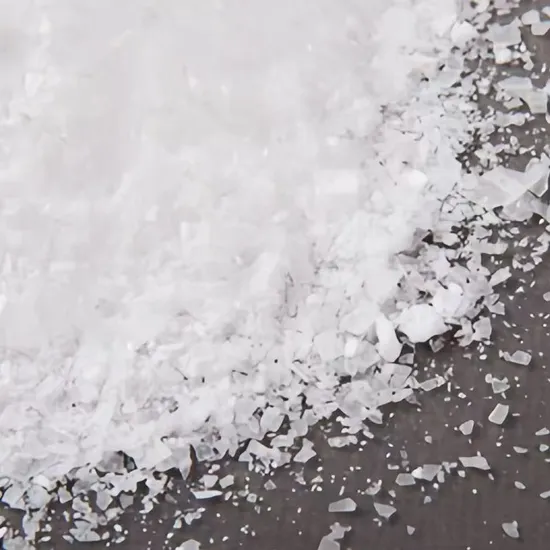
| Appearance | White Flakes |
| Formula | CH2=C(CH3)CH2o(CH2CH2o)Nh |
| pH Value(1% Aqueous Solution) | 6.5±1.0 |
| Hydroxyl Value(by KOH), Mg/G | 22.0-25.0 |
| Retention Rate of Double Bonds( %≥) | 93 |
| Package | FIBC/25kg Bagged |
| Transport Package | FIBC/25kg Bagged |
| Specification | HLP-330 |
| Origin | Jiangsu, China |
Addressing Infrastructure Construction Challenges with High Double Bond Retention Hpeg
Over the past decade in chemical supply, we've witnessed how inconsistent double bond retention in polyether glycols can derail infrastructure projects—leading to batch-to-batch performance variations in concrete additives and coating formulations. Many clients struggled with suppliers who couldn't guarantee the 90%+ retention rates critical for polymerization stability, resulting in costly rework and delayed timelines.
A Stable Solution for Infrastructure Material Production
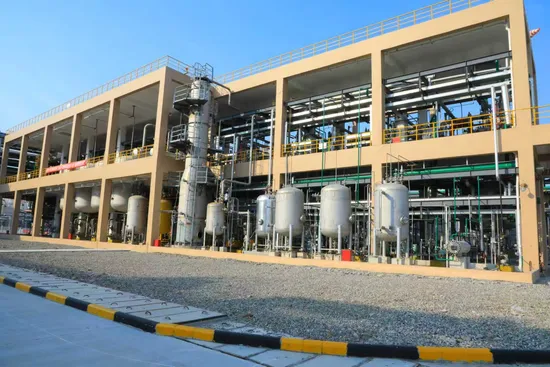
Our Methallyl Polyether Glycol HLP-330 delivers a 93% double bond retention rate, addressing the core challenge of material consistency in infrastructure construction applications. With 10+ years serving 50+ countries, we've refined our production process to ensure each batch meets the same stringent standards, supporting the reliable manufacturing of high-performance construction chemicals.
Key Applications in Infrastructure Construction
This Infrastructure Construction Polyether Glycol is primarily used as a key monomer in the synthesis of polycarboxylate superplasticizers, which enhance concrete workability and strength in large-scale projects like bridges, tunnels, and high-rise buildings. Its white flakes form ensure easy handling and uniform mixing, making it a preferred choice for industrial production lines.
Critical Specifications for Construction Chemical Performance
The 93% double bond retention rate of HLP-330 directly impacts polymerization efficiency, ensuring optimal molecular weight distribution in superplasticizer formulations. Its hydroxyl value range (22.0-25.0 mg KOH/g) provides precise control over functional group density, while the neutral pH (6.5±1.0) minimizes corrosion risks during storage and processing. These specifications collectively guarantee consistent performance in concrete additive production.
Benefits of Reliable Methallyl Polyether Glycol Supply
Using HLP-330 reduces production risks compared to lower-quality alternatives—batch inconsistencies that cause concrete slump loss or strength reduction can be eliminated, saving 15-20% in rework costs. Our ISO 9001-certified manufacturing ensures compliance with REACH regulations, making White Flakes Hpeg for Construction suitable for export to global infrastructure projects.
Our Quality Assurance Commitment
Every batch of HLP-330 undergoes rigorous testing including FTIR spectroscopy for structural verification and titration for hydroxyl value analysis. We provide detailed COA documents with each shipment, and maintain a 2-year product testing archive accessible via order number. Our 5000MT annual production capacity ensures stable supply even during peak construction seasons.
Certificate of Analysis & Documentation
Each delivery includes a batch-specific Certificate of Analysis and Material Safety Data Sheet. For critical projects, we can provide additional testing data upon request, including chromatographic profiles and double bond retention rate verification reports.
Storage & Handling
- Store in a cool, dry, well-ventilated area, sealed and away from direct sunlight.
- Keep away from incompatible materials, food and feed sources.
- Handle with appropriate personal protective equipment (gloves, goggles, lab coat).
- Follow good industrial hygiene practices. Avoid inhalation and skin contact.
- Refer to MSDS for detailed storage and safety instructions.
Streamlined Procurement Process
Simply submit your HLP-330 requirement through our platform, and our technical team will confirm specifications within 24 hours. Sample requests are processed within 3 working days, with bulk orders typically delivered within 10-15 days from confirmation. All shipments include complete documentation for customs clearance.
Frequently Asked Questions
Q: What is the shelf life of HLP-330?
A: When stored properly in sealed original packaging, HLP-330 maintains specifications for 12 months from the production date.
Q: Can this product be used in food or pharmaceutical applications?
A: No, HLP-330 is for industrial and laboratory research use only, not for direct human consumption or medical applications.
Q: What documentation is provided with each order?
A: Each shipment includes a Certificate of Analysis, Material Safety Data Sheet, and packaging list.
Q: Do you offer custom packaging options?
A: Yes, we can provide custom packaging solutions for bulk orders; please specify requirements during the询价 process.
Q: How is the double bond retention rate verified?
A: Double bond retention is determined by iodometric titration according to industry standard methods, with results documented in the COA.