For industrial manufacturing and laboratory research purposes only.
Product Specifications
| Parameter | Value |
|---|---|
| Model NO. | MEA |
| Certification | ISO |
| CAS Number | 141-43-5 |
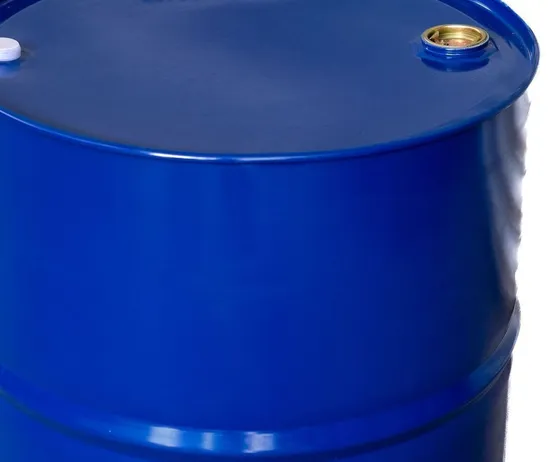
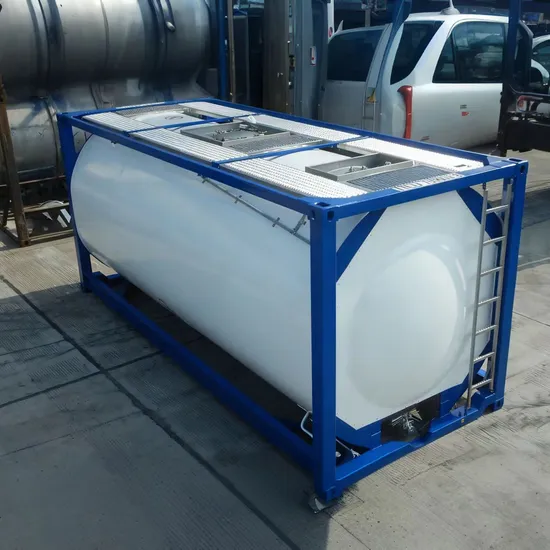
| Transport Package | 200L Plastic Drum |
| Origin | China |
Addressing Cement Plant Challenges with High-Purity Monoethanolamine (CAS 141-43-5)
In over a decade of serving cement plant operations, we've witnessed how inconsistent Monoethanolamine quality can disrupt kiln efficiency—unstable purity leading to unpredictable NOₓ reduction performance, and substandard packaging causing leakage during transport. These issues don't just delay production; they compromise the precision of your emission control systems.
A Stable and Reliable Chemical Supply Solution
Our Monoethanolamine 99.5% (CAS 141-43-5) is engineered to eliminate these pain points. As a supplier with 10+ years in chemical manufacturing, we ensure each batch meets rigorous ISO standards, providing the stability your cement plant requires for consistent flue gas treatment. Sourced from our state-of-the-art production facilities in China, this MEA solution comes in secure 200L plastic drums, minimizing transportation risks for industrial-scale applications.
Typical Industrial Applications
Monoethanolamine 141-43-5 plays a critical role in cement plant operations as an absorbent in flue gas desulfurization and denitrification processes. Its chemical properties make it effective for capturing acidic gases, supporting compliance with environmental regulations. Beyond cement production, this ISO certified MEA is utilized in gas sweetening, metalworking fluids, and chemical synthesis—strictly for industrial manufacturing purposes.
Why Key Specifications Matter
The 99.5% purity level of our Monoethanolamine is not arbitrary; it directly impacts your process efficiency. Higher purity reduces the formation of by-products that can clog spray nozzles and degrade equipment, lowering maintenance costs. The ISO certification ensures adherence to global quality management standards, providing traceability from production to delivery. Our standardized 200L plastic drum packaging is designed for seamless integration into industrial supply chains, with UN-approved materials ensuring safe handling during storage and transport.
What You Gain With Our Product
Choosing our ISO certified Monoethanolamine means investing in operational reliability. Unlike lower-grade alternatives that may contain unknown impurities, our MEA undergoes comprehensive testing to guarantee batch consistency—reducing the risk of process disruptions and unplanned downtime. For cement plants, this translates to stable NOₓ reduction performance and predictable chemical consumption rates, ultimately optimizing your total cost of ownership.
Why You Can Trust Us
Our quality assurance process begins with raw material screening and continues through every production stage, with in-line testing via HPLC and GC to monitor purity and impurity profiles. Each drum is accompanied by a detailed Certificate of Analysis (COA) documenting key parameters. With a production capacity of 5,000 MT/year, we maintain 45-day lead times even for bulk orders, supported by a global logistics network that has served 50+ countries. Our 30-day product guarantee ensures replacement or refund if specifications do not match the COA.
Certificate of Analysis & Documentation
Every delivery includes a batch-specific COA with test results for purity, water content, and color, along with a Safety Data Sheet (MSDS) containing handling precautions and regulatory compliance information. For critical applications, additional testing data—including heavy metal content and pH value—can be provided upon request.
Storage & Handling
- Store in a cool, dry, well-ventilated area, sealed and away from direct sunlight.
- Keep away from incompatible materials, food and feed sources.
- Handle with appropriate personal protective equipment (gloves, goggles, lab coat).
- Follow good industrial hygiene practices. Avoid inhalation and skin contact.
- Refer to MSDS for detailed storage and safety instructions.
How to Place Your Order
Initiate your order by submitting a request through our platform, specifying your required quantity and delivery timeline. We recommend requesting a 500ml sample for qualification testing prior to bulk purchase. Once specifications are confirmed, our team will provide a formal quotation and production schedule, with all necessary documentation delivered alongside your 200L plastic drum shipment.
Frequently Asked Questions
Q: What is the shelf life of this Monoethanolamine product?
A: When stored in original unopened packaging under recommended conditions, the product has a shelf life of 12 months from the manufacturing date.
Q: Is this product suitable for use in food or pharmaceutical applications?
A: No. This product is intended for industrial and laboratory research use only, not for direct human consumption or therapeutic applications.
Q: What documentation is provided with each shipment?
A: Each order includes a Certificate of Analysis (COA), Safety Data Sheet (MSDS), and transportation documentation compliant with international regulations.
Q: Can the packaging be customized for specific requirements?
A: We currently offer standard 200L plastic drums. For alternative packaging options, please contact our sales team to discuss volume-based possibilities.
Q: How is the product's purity verified?
A: Purity is determined using gas chromatography (GC) analysis, with results documented in the batch-specific COA provided with each shipment.