For industrial manufacturing and laboratory research purposes only.
Product Specifications
| Parameter | Value |
|---|---|
| Model NO. | TEG |
| Certification | ISO |
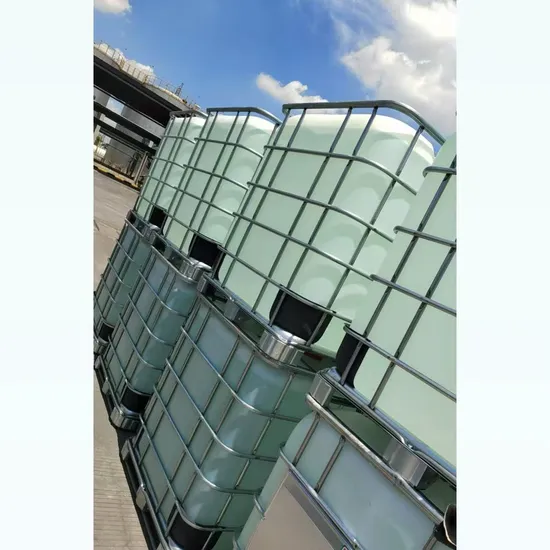
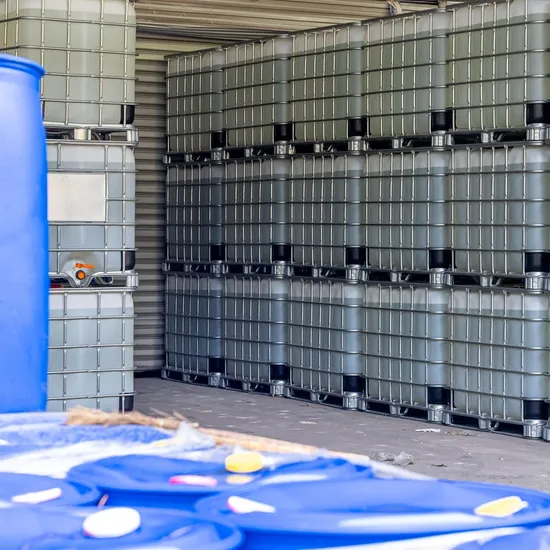
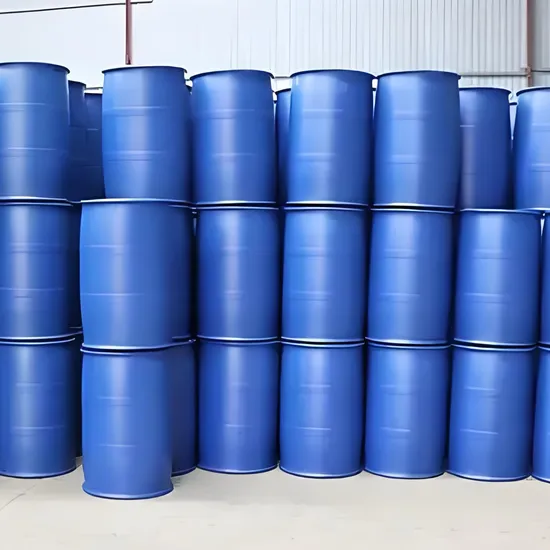
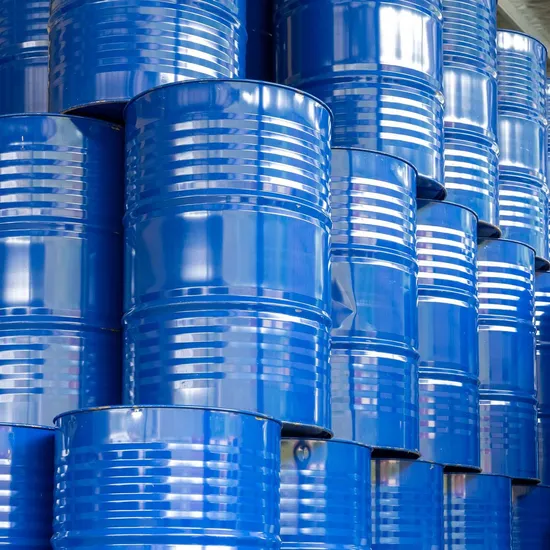
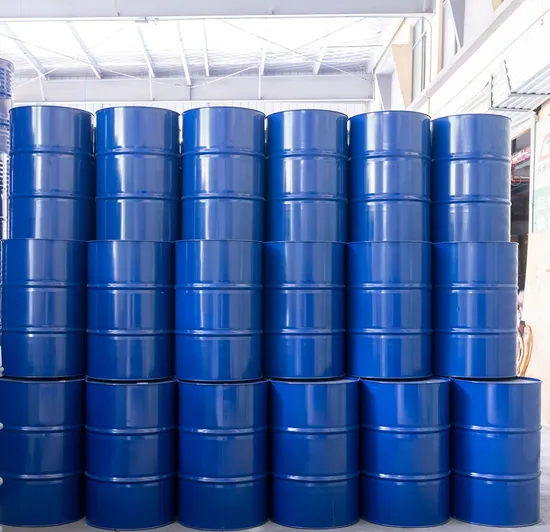
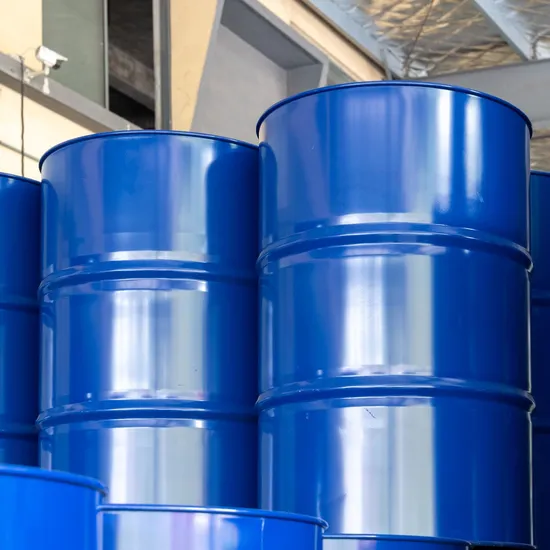
| Transport Package | 200L Steel Drum |
| Origin | China |
High Purity Triethylene Glycol (TEG) for Consistent Aromatic Hydrocarbon Extraction Processes
Industrial facilities and research laboratories often face challenges with inconsistent Triethylene Glycol (TEG) quality—fluctuating purity levels leading to inefficient aromatic hydrocarbon extraction, batch variations causing experimental irreproducibility, and unreliable suppliers disrupting production schedules. Over our 10+ years in the industry, we've witnessed how these issues directly impact operational costs and research outcomes.
Stabilizing Aromatic Extraction with ISO-Certified TEG
Our High Purity Triethylene Glycol (TEG) addresses these critical pain points through rigorous manufacturing controls and ISO certification. As a supplier serving 50+ countries and 10000+ industrial clients, we understand that consistent performance in aromatic hydrocarbon extraction processes is non-negotiable. Our TEG ensures reliable solvent properties, minimizing process variability whether in pilot-scale research or full industrial production.
Key Applications in Industrial Separation Processes
Triethylene Glycol (TEG) plays a vital role in aromatic hydrocarbon extraction, where its high boiling point and selective solubility enable efficient separation of aromatic compounds from hydrocarbon mixtures. This application is critical in petrochemical refining, pharmaceutical intermediate production, and specialty chemical manufacturing, where precise component separation directly affects product quality and yield.
Why ISO Certification and Purity Matter in TEG Selection
ISO certification guarantees our TEG production adheres to international quality management standards, ensuring batch-to-batch consistency that is essential for scalable industrial processes. High purity levels reduce the risk of unwanted side reactions during extraction, while strict impurity controls prevent contamination of downstream products. This attention to detail is particularly important in specialty chemical production, where even minor deviations can compromise entire batches.
The Value of Reliable TEG Supply for Your Operations
Choosing ISO-certified High Purity TEG translates to tangible benefits: improved extraction efficiency reduces solvent consumption, consistent quality minimizes production downtime, and reliable supply chains eliminate costly project delays. In contrast, substandard TEG can lead to poor separation efficiency, increased waste disposal costs, and potential equipment damage—expenses that far exceed the initial savings from lower-priced alternatives.
Our Quality Assurance Commitment
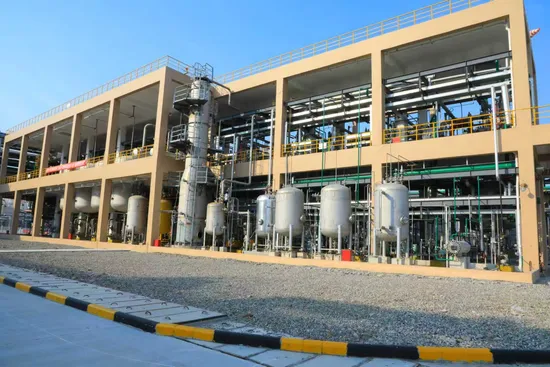
Every batch of our TEG undergoes comprehensive testing using advanced analytical techniques to verify purity and composition. We provide detailed Certificate of Analysis (COA) documents with each shipment, ensuring full traceability. Our production facilities maintain ISO 9001 certification, and we offer dedicated technical support to address specific application requirements. With annual production capacity exceeding 5000 metric tons, we guarantee stable supply even for large-scale industrial needs.
Certificate of Analysis & Documentation
Each delivery includes a batch-specific COA and MSDS, providing complete transparency on product specifications and safety handling information. For research institutions requiring detailed analytical data, additional testing reports can be provided upon request, including chromatographic profiles and impurity analysis.
Storage & Handling
- Store in a cool, dry, well-ventilated area, sealed and away from direct sunlight.
- Keep away from incompatible materials, food and feed sources.
- Handle with appropriate personal protective equipment (gloves, goggles, lab coat).
- Follow good industrial hygiene practices. Avoid inhalation and skin contact.
- Refer to MSDS for detailed storage and safety instructions.
Streamlined Ordering Process for Industrial Clients
Initiate your order by submitting a detailed inquiry specifying your required quantity and purity requirements. We can provide small-volume samples for qualification testing prior to full-scale procurement. Once specifications are confirmed, our supply chain team ensures on-time delivery with complete documentation, supporting seamless integration into your production or research workflow.
Frequently Asked Questions
Q: What is the shelf life of your Triethylene Glycol (TEG) product?
A: When stored properly in sealed containers under recommended conditions, our TEG maintains stability for 24 months from the date of manufacture.
Q: Can this TEG be used for food or pharmaceutical applications?
A: No, this product is intended FOR INDUSTRIAL AND LABORATORY RESEARCH USE ONLY. It is not suitable for direct human consumption, therapeutic, or household applications.
Q: What documentation is provided with each shipment?
A: Each delivery includes a Certificate of Analysis (COA) specific to the batch and a Material Safety Data Sheet (MSDS).
Q: Is custom packaging available besides the standard 200L steel drum?
A: For large-volume orders, we can discuss alternative packaging options to suit specific logistics requirements. Please contact our sales team for details.
Q: How is the purity of your TEG verified?
A: Our TEG undergoes rigorous testing using gas chromatography and other analytical methods to ensure compliance with ISO standards, with results documented in the batch-specific COA.