Additive Grades Explained: Industrial, Food, and Pharmaceutical?
I receive the same question every week from new buyers: "Your 98% peptide is pharmaceutical grade, right?" When I explain that purity percentage and regulatory grade are separate concepts, the silence on the other end of the call tells me they assumed these terms meant the same thing. This confusion creates real risks during customs clearance and product development.
Additive grades define regulatory boundaries and legal use authorization, not just quality levels. Pharmaceutical grade requires specific impurity documentation and batch traceability that food and industrial grades do not mandate, even when all three grades reach 98% purity through lab testing.
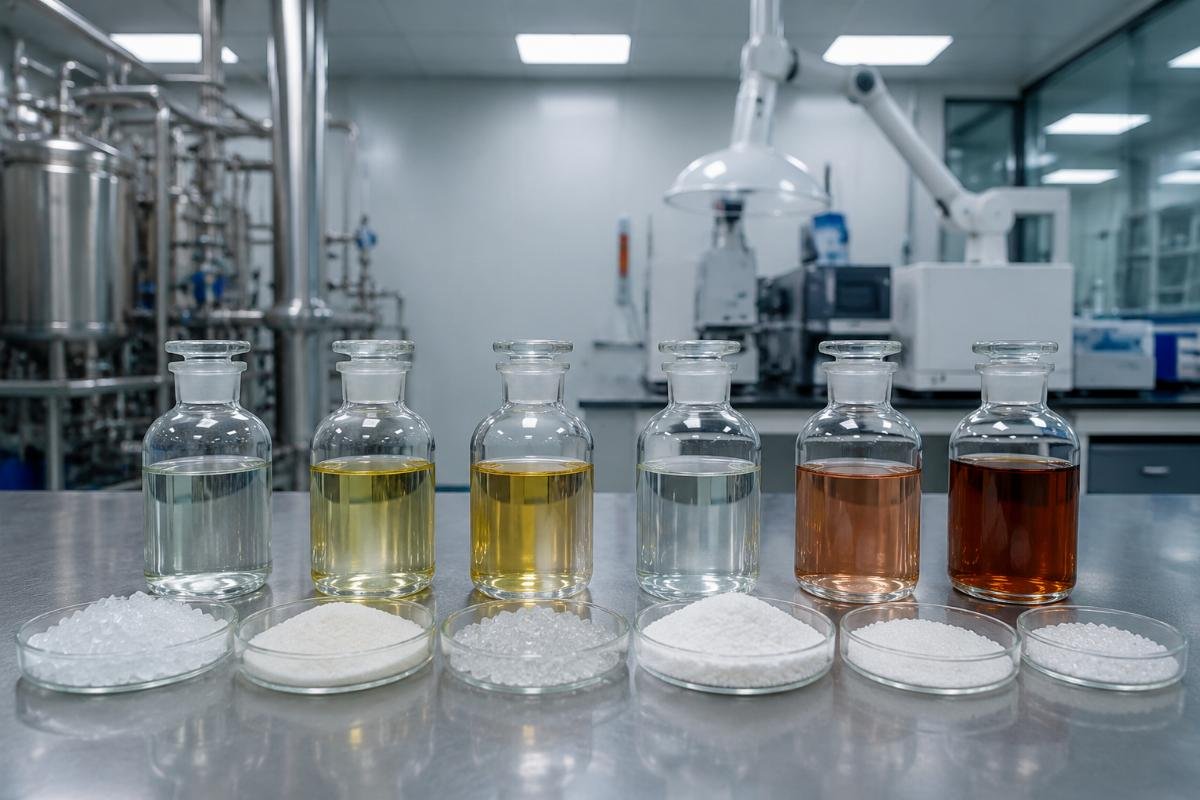
Most buyers I work with start their peptide sourcing journey by searching for "highest purity" or "pharmaceutical quality." They later discover that their business application determines which grade they legally need, regardless of which grade sounds more premium during sales discussions.
What separates industrial grade from regulated grades legally?
The term "industrial grade" appears frequently on supplier websites and quotation sheets. Buyers often skip past this category, assuming it represents lower quality than food or pharmaceutical alternatives. My experience handling bulk orders reveals a different picture.
Industrial grade materials meet manufacturing standards for non-consumption applications. These peptides serve as raw materials in research reagents, veterinary compounds, or industrial enzyme production where food safety regulations and pharmaceutical batch traceability do not apply to the final product.

I remember working with a European laboratory that initially requested pharmaceutical grade peptides for their research protein synthesis project. After discussing their actual end-use, we determined industrial grade provided identical purity at 40% lower cost because their application did not require FDA batch documentation or GMP facility sourcing certification.
Industrial grade peptides typically undergo the same synthesis and purification processes as higher regulatory grades. The distinguishing factor shows up in documentation requirements. When I prepare industrial grade quotations, buyers receive:
| Documentation Type | Industrial Grade | Food/Pharma Grade |
|---|---|---|
| COA with purity percentage | Yes | Yes |
| Batch traceability records | Optional | Mandatory |
| GMP facility certification | Not required | Required for pharma |
| Regulatory compliance statements | Generic only | Jurisdiction-specific |
| Impurity profile detail | Basic HPLC | Complete MS + residual solvents |
The cost difference between grades reflects testing investment and regulatory compliance overhead, not necessarily the physical material quality. Industrial buyers avoid paying for documentation their business does not legally require. However, I always verify the buyer's actual end-use application because misclassifying a food ingredient purchase as "industrial" creates customs and liability problems later.
Most regulatory authorities define industrial grade by exclusion. If the material will not contact humans through consumption, injection, or skin absorption, and will not appear in consumer products subject to safety regulations, industrial classification typically applies. Buyers in chemical manufacturing, non-consumer research, and agricultural applications usually operate within this category.
How do food grade requirements vary across importing countries?
Buyers who source peptides for supplement manufacturing or functional food production encounter their first regulatory complexity when comparing food grade standards between jurisdictions. I spend significant time explaining that "food grade" represents a category, not a universal specification.
Food grade peptides must comply with additive regulations in the country where the final product will be sold. Requirements for permitted use levels, testing protocols, and facility certifications change significantly between FDA regulations, EU food additive frameworks, and national standards in Southeast Asian markets.

When I send food grade quotations to North American buyers, they expect materials that align with FDA GRAS status or food additive petition requirements. The same peptide exported to EU buyers must reference regulation EC 1333/2008 on food additives. Buyers shipping to Japan need materials tested against Ministry of Health standards that sometimes require different residual solvent limits than Western markets.
I worked on an inquiry last year from a supplement manufacturer in Singapore. They requested food grade collagen peptides with specifications matching their previous US supplier. During our conversation, I learned that Singapore's Health Sciences Authority applies stricter heavy metal limits for certain peptide categories than FDA standards. If we had simply copied the US specification sheet, their import documentation would have failed customs review.
Food grade documentation packages typically include:
| Required Element | Purpose | Jurisdiction Variation |
|---|---|---|
| Certificate of Analysis | Confirms purity and composition | Testing methods vary (USP vs EP) |
| Microbial testing results | Verifies food safety parameters | Limits differ by country |
| Heavy metals screening | Ensures contaminant safety | Detection thresholds vary significantly |
| Allergen declarations | Regulatory compliance | Required in EU, optional elsewhere |
| Non-GMO certification | Market access requirement | Mandatory EU, voluntary US |
Many buyers confuse food grade with cosmetic grade because both target consumer products. I explain that regulatory authorities treat these as separate categories. Food contact materials follow one regulatory pathway while skin contact products follow another. A peptide approved for oral supplements does not automatically qualify for face cream formulations under cosmetics regulations.
The phrase "food safe" appears in many supplier marketing materials, but this general claim does not replace jurisdiction-specific compliance documentation. When buyers ask whether our food grade peptides meet their local requirements, I first ask which country's regulations govern their final product sales. Then I verify whether our testing protocols and facility certifications align with those specific standards.
Some peptides exist in regulatory gray zones where classification as food additive versus novel food ingredient changes permitted use scenarios. Buyers developing new functional food products sometimes discover that their chosen peptide requires pre-market authorization as a novel ingredient in certain countries, even when food grade material is technically available. I recommend they consult with regulatory specialists in their target markets before finalizing large purchase orders.
Why does pharmaceutical grade require different impurity documentation?
The gap between food grade and pharmaceutical grade creates the most confusion during my buyer consultations. Both grades often show 98%+ purity on basic COA documents. The difference emerges when buyers review complete impurity profiles and batch traceability requirements.
Pharmaceutical grade peptides meet drug manufacturing standards that require detailed impurity identification, residual solvent testing, endotoxin screening, and complete batch documentation traceable to GMP-certified production facilities. These requirements serve regulatory submissions and quality assurance protocols that food grade specifications do not address.

I recently discussed specifications with a European pharmaceutical distributor who initially questioned why our pharmaceutical grade peptides cost nearly double our food grade alternatives at identical purity percentages. After reviewing our complete pharmaceutical documentation package, they understood that price reflected extensive additional testing and compliance overhead rather than material quality differences.
Pharmaceutical grade materials undergo impurity testing protocols that food grade production does not mandate:
| Testing Category | Food Grade | Pharmaceutical Grade |
|---|---|---|
| Primary purity (HPLC) | Yes | Yes |
| Related substance identification | Limited | Complete MS characterization |
| Residual solvents | Basic screening | ICH Q3C comprehensive panel |
| Heavy metals | General limits | USP <232>/<233> specific elements |
| Endotoxin levels | Not typically tested | LAL test required |
| Microbial limits | Total count | Species identification + limits |
| Particle size distribution | Optional | Required for injectable applications |
Buyers preparing regulatory submissions for drug applications need pharmaceutical grade documentation because regulatory authorities require proof that impurities have been identified, quantified, and demonstrated safe at observed levels. Food grade COAs typically report total impurities as a single percentage without identifying individual impurity structures.
I send pharmaceutical grade quotations primarily to buyers in three categories: pharmaceutical manufacturers preparing drug filings, contract research organizations conducting clinical trials, and medical device companies incorporating peptides into regulated products. These buyers specifically request batch documentation that traces material origin through GMP-certified synthesis facilities.
The term "pharmaceutical grade" itself varies by regulatory framework. FDA uses different standards than European Pharmacopoeia or Japanese Pharmacopoeia. When buyers request pharmaceutical grade peptides, I ask which pharmacopoeia standards govern their regulatory submission. We then ensure our testing protocols and COA format match the required standard.
Some buyers mistakenly believe they need pharmaceutical grade for cosmetic applications because their products make anti-aging or skin repair claims. I explain that cosmetic regulations in most jurisdictions create a separate category with requirements between food and pharmaceutical standards. Cosmetic peptides typically need safety assessments and stability data but not the complete pharmaceutical impurity characterization.
The most expensive aspect of pharmaceutical grade production is maintaining audit-ready batch traceability. Every pharmaceutical grade lot we produce includes documentation linking final material back through each synthesis step, purification stage, and quality control checkpoint. This creates the audit trail that regulatory inspectors require during facility reviews and product approvals.
Can buyers substitute one grade for another during supply disruptions?
Supply chain disruptions over the past three years have pushed many buyers to ask whether they can temporarily use a different grade when their preferred specification faces production delays. These conversations require careful explanation because regulatory and liability implications differ significantly from simple quality considerations.
Substituting additive grades changes legal classification, compliance status, and liability exposure for downstream products. A manufacturer cannot legally use industrial grade peptides in food applications or food grade materials in pharmaceutical products, regardless of purity test results, because regulatory authorization depends on grade-appropriate documentation and facility certifications.

I worked with a supplement manufacturer last year who faced a two-month delay on their regular food grade peptide order. They asked whether purchasing pharmaceutical grade as a temporary substitute would satisfy their production needs. The higher grade seemed like a safe alternative since it met stricter standards than their application required.
After discussing their situation, I explained several problems with this approach. Their food supplement labeling referenced food additive status and food-specific safety testing protocols. Using pharmaceutical grade material would create documentation mismatches that could trigger questions during routine inspections. More importantly, their production facility held food manufacturing certifications but not pharmaceutical handling authorization. Introducing pharmaceutical grade materials could create regulatory complications extending beyond the peptide itself.
The reverse substitution creates more obvious risks. I regularly decline purchase requests from buyers who ask for food grade or industrial grade peptides to use in pharmaceutical development projects. Even when the buyer acknowledges the grade mismatch, supplying inappropriate grade materials for regulated drug applications creates liability exposure we cannot accept. Regulatory authorities conducting facility audits examine raw material documentation thoroughly, and grade mismatches flag serious compliance deficiencies.
| Substitution Direction | Primary Risk | Regulatory Consequence |
|---|---|---|
| Industrial → Food | Missing food safety testing | Import rejection, recall exposure |
| Industrial → Pharma | Incomplete impurity documentation | Regulatory filing rejection |
| Food → Pharma | Insufficient GMP traceability | Audit findings, application delays |
| Pharma → Food | Documentation format mismatch | Unnecessary cost, possible confusion |
| Pharma → Cosmetic | Wrong regulatory framework | Compliance gap if claims differ |
Some buyers suggest that upgrading to pharmaceutical grade for non-pharmaceutical applications creates "extra safety margin." While this approach does not violate regulations, it introduces unnecessary costs and may create documentation confusion. Food inspectors expect to see food-specific testing protocols and certifications. Presenting pharmaceutical documentation may raise questions about why standard food protocols were not used.
The grade classification also affects import documentation and customs clearance procedures. Pharmaceutical imports typically require additional permits and face stricter inspection protocols than food ingredients. Buyers who substitute grades without updating their import paperwork risk customs delays or rejection even when the material itself meets quality standards.
I advise buyers facing supply disruptions to work with their regulatory consultants before considering grade substitutions. In some cases, filing temporary specification changes or obtaining one-time import authorizations provides legal paths to use alternative grades. However, these processes require advance planning and cannot be implemented during emergency shortages.
What questions should buyers ask suppliers about grade classifications?
My conversations with first-time peptide buyers often reveal they do not know which specific questions will help them verify grade claims and match materials to their application requirements. Generic questions about "quality" or "purity" do not surface the documentation gaps that create problems during customs clearance or regulatory audits.
Effective grade verification requires buyers to request jurisdiction-specific documentation, confirm GMP facility certifications match their end-use requirements, and verify that testing protocols align with regulatory standards in their target markets. Suppliers should provide clear answers about which regulatory frameworks their grade classifications reference.
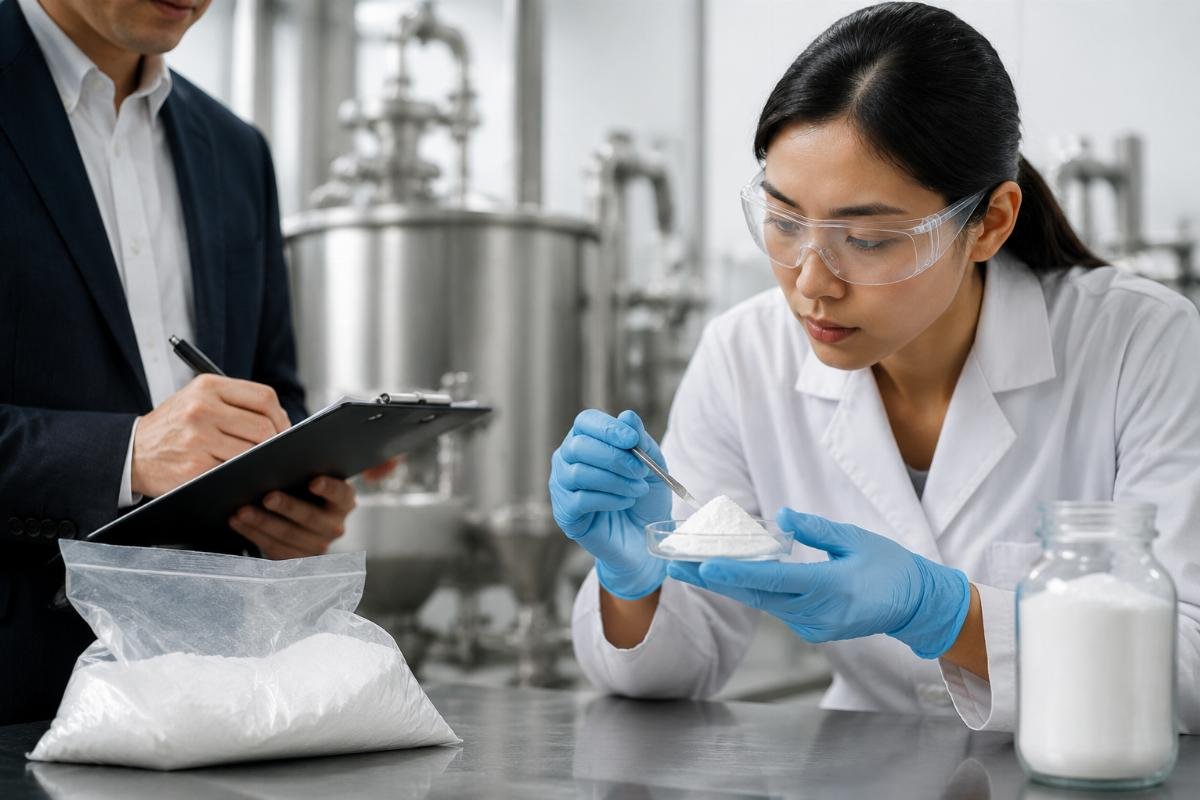
When I receive inquiries that simply ask "do you have pharmaceutical grade semaglutide?" without additional context, I respond with questions before providing quotations. I need to understand their actual regulatory requirements, target market, and intended application before confirming whether our pharmaceutical grade specifications match their needs.
I recommend buyers structure their supplier inquiries around these verification points:
| Question Category | Purpose | Red Flag Response |
|---|---|---|
| Which pharmacopoeia standard do you follow? | Confirms regulatory framework | "We meet international standards" (too vague) |
| What GMP certifications does your facility hold? | Verifies manufacturing authorization | "We work with GMP partners" (unclear traceability) |
| Can you provide sample COA for this grade? | Reviews actual testing scope | Refusal to share before purchase |
| Which countries import your [grade] materials? | Validates market acceptance | "All countries" (unrealistic claim) |
| What documentation comes with each batch? | Confirms traceability | Basic COA only for pharma grade |
Buyers should be particularly careful with suppliers who claim their single facility produces materials meeting FDA, EP, and JP pharmaceutical standards simultaneously. While some large manufacturers maintain multiple certifications, this requires separate production lines and audit processes. Suppliers who imply all grades come from one universal "pharmaceutical facility" may not understand regulatory distinctions between frameworks.
I always provide our GMP certification documents and facility audit records to serious buyers before they commit to large orders. Buyers who do not request these documents miss opportunities to verify claims. Similarly, asking for COA samples from recent production batches reveals actual testing scope and format. Suppliers who only show "typical" or "standard" COA templates may be hiding inconsistent testing protocols.
The question "is this pharmaceutical grade safe for my application?" requires me to decline providing a direct answer. I explain that safety depends on proper use according to regulatory guidelines in their jurisdiction. I can confirm whether our grade meets pharmaceutical manufacturing standards, but their regulatory consultant must determine whether pharmaceutical grade is required, permitted, or appropriate for their specific product development plan.
Price discussions often reveal grade understanding issues. When buyers negotiate aggressively on pharmaceutical grade pricing while maintaining that they "must have pharmaceutical grade," I probe whether they truly need pharmaceutical specifications or whether food/cosmetic grade would satisfy their regulatory requirements at lower cost. Many buyers realize they chose pharmaceutical grade based on perception rather than actual compliance needs.
Some buyers request custom grade specifications that blend requirements from multiple regulatory frameworks. While we can sometimes accommodate these requests, I explain that creating hybrid specifications may cause regulatory confusion. Inspectors expect to see recognized grade categories with standard documentation formats. Custom specifications should serve specific compliance needs rather than attempting to create "extra safe" materials that fall outside established regulatory categories.
Conclusion
Grade classifications define legal boundaries for material use, not quality hierarchies. Buyers must match grade selection to their specific regulatory requirements, target markets, and end-use applications rather than assuming higher grades universally provide better outcomes or broader permissions.