Which Peptide Grade Does Your Industry Actually Need?
I get dozens of inquiries every month asking about peptide applications across industries. But here's what I've learned after years handling these requests: buyers aren't struggling to find peptide uses. They're struggling to match their exact product requirements with the right supplier specifications. Most cross-industry purchasing mistakes happen at this junction.
Your industry application determines which purity grade, documentation package and supplier type you need. Pharmaceutical production requires USP/EP certified peptides with batch consistency below 0.1% variance. Medical beauty formulations need cosmetic-grade certification with stability testing. Supplement manufacturing needs food-grade compliance with dietary regulations. These three tracks are not interchangeable despite identical peptide names.
Last quarter, a beauty ingredient distributor contacted us asking if they could use pharmaceutical-grade Semaglutide for anti-aging serums. Another supplement manufacturer wanted to know why COAs differed between suppliers selling "the same" Tirzepatide. These questions reveal the core problem. Let me walk you through how to decode what your specific industry case actually requires.
Why Do Same-Name Peptides Have Different Specifications?
Three months ago, a procurement manager from Southeast Asia sent me product datasheets from five different suppliers. All listed "Semaglutide 98% purity." She asked why the prices varied by 300%. This confusion is extremely common among first-time bulk buyers.
Regulatory frameworks create distinct specification tracks for pharmaceuticals, cosmetics and dietary supplements. A pharmaceutical-grade peptide must pass USP monograph testing including related substances analysis, residual solvent limits and endotoxin testing. Cosmetic-grade products follow different stability and microbial limits. Food-grade peptides need dietary supplement compliance documentation. Same purity number does not mean same testing protocol.
Your purchasing decision starts with identifying which regulatory track your end product falls under. I recommend mapping this out before requesting quotes:
| End Product Type | Regulatory Track | Required Documentation | Typical Purity Range | Batch Consistency Standard |
|---|---|---|---|---|
| Injectable diabetes drug | Pharmaceutical (USP/EP) | Full validation file, stability data, DMF reference | 98%+ with impurity profile | <0.1% batch variance |
| Anti-aging beauty serum | Cosmetic ingredient | Cosmetic safety assessment, INCI listing | 95-98% with preservative compatibility | <0.5% batch variance |
| Weight management capsule | Dietary supplement | GMP supplement certificate, dietary compliance | 90-95% with excipient blend | <1% batch variance |
| Lab research reagent | Research grade | COA with HPLC/MS only | 85-95% | Varies by vendor |
This table explains the price differences that confuse buyers. Pharmaceutical-grade production involves validation protocols that cosmetic-grade manufacturing does not require. The testing burden directly impacts your per-gram cost. When you compare supplier quotes, you need to verify you're comparing equivalent specification tiers.
I've seen buyers make costly mistakes by choosing lower-priced quotes without checking the grade alignment. One European supplement company purchased cosmetic-grade peptides for their dietary product, then faced import detention because the documentation didn't match supplement regulations in their market. The replating cost exceeded their initial savings by four times.
Understanding specification differences also protects you from compliance failures. Regulatory agencies in your target market will audit your ingredient sourcing. If your pharmaceutical product contains peptides tested only to cosmetic standards, you face rejection regardless of actual purity. The documentation trail matters as much as the molecule itself.
How Do Pharmaceutical Buyers Verify Supplier Quality Systems?
I receive detailed technical questionnaires from pharmaceutical companies before they'll even discuss pricing. Their procurement teams know that supplier selection determines whether their drug batches pass final QC or get rejected. Let me show you what these experienced buyers actually check.
Pharmaceutical peptide buyers require three verification layers: production facility certification, batch testing documentation and supply chain stability. You need confirmation that the supplier operates GMP-certified manufacturing, can provide full analytical testing for every batch and maintains consistent raw material sources. Price becomes relevant only after these qualifications are confirmed.

Start with facility credentials. Ask potential suppliers for their GMP certification scope and inspection dates. Pharmaceutical production requires environmental controls, equipment validation and personnel training that general chemical manufacturing does not include. I recommend requesting photos or video of the actual production area where your peptide will be synthesized. Some suppliers subcontract production to third parties, which adds variance risk you need to evaluate.
Documentation packages separate qualified suppliers from problematic ones. For each batch, you should receive:
Certificate of Analysis (COA) showing purity percentage, testing methods used, and pass/fail criteria for each specification parameter. The COA must reference the specific lot number you'll receive.
HPLC chromatogram displaying the purity peak and any impurity peaks. This raw data lets your QC team verify the purity claim independently.
Mass Spectrometry (MS) results confirming molecular weight matches the target peptide structure. This catches synthesis errors that HPLC purity testing alone might miss.
Residual solvent testing if your application is injectable. USP limits for solvents like TFA or DMF are strict. You need proof these limits are met.
Endotoxin testing results for any peptide going into parenteral products. Bacterial endotoxin presence causes adverse reactions even if the peptide itself is pure.
One pharmaceutical distributor told me they rejected three suppliers before finding us because the other suppliers couldn't provide MS data for every batch. They needed this documentation for their regulatory filing. Without it, the lower price was meaningless because they couldn't use the product legally.
Batch consistency becomes critical when you're scaling up. I always ask new pharmaceutical buyers about their projected annual volume. If you need 10kg of Tirzepatide over twelve months, you'll likely receive peptide from multiple production batches. Variance between batches can disrupt your formulation or cause your final drug product to fail stability testing.
Request the supplier's batch-to-batch variance data. Qualified suppliers track purity range and impurity profile across production runs. If a supplier claims 98% purity but their batches range from 96.5% to 99.2%, you'll face formulation challenges. Pharmaceutical production needs variance below 0.1% to maintain consistent drug product specifications.
Lead time reliability matters as much as quality metrics. Production delays at your peptide supplier cascade through your manufacturing schedule. I've learned to ask pharmaceutical buyers about their inventory buffer and order frequency. If you operate just-in-time inventory, you need a supplier with proven delivery consistency. Ask for on-time delivery percentages from the past year, not just promised lead times.
What Quality Indicators Matter for Medical Beauty Applications?
Medical beauty buyers face different challenges than pharmaceutical purchasers. I work with cosmetic manufacturers and medical aesthetic clinics who formulate anti-aging serums, body contouring creams and skin tightening products. Their quality concerns center on stability and compatibility rather than pharmaceutical compliance.
Medical beauty applications require peptides with proven stability in cosmetic formulations, compatibility with common preservatives and excipients, and documentation showing safe topical use. You need suppliers who test for oxidation resistance, pH stability range and interaction with typical cosmetic ingredients like hyaluronic acid or vitamin C.

Stability testing separates cosmetic-suitable peptides from pharmaceutical-grade products that might not perform in beauty formulations. I had a cosmetic manufacturer contact me after their first batch of imported peptides oxidized within three weeks in their anti-aging serum base. The peptide was high purity, but it wasn't tested for stability in the pH range their formula required.
Ask potential suppliers about their accelerated stability testing protocols. Cosmetic peptides should undergo testing at elevated temperature and humidity to predict shelf life. The supplier should provide data showing purity retention over time in solution, not just as dry powder. If you're formulating an aqueous serum, you need confirmation the peptide remains stable in water-based systems.
Preservative compatibility is another common failure point. Beauty products require antimicrobial preservation, but some preservatives interact with peptide structures. I recommend requesting compatibility testing data between your target peptide and common preservatives like phenoxyethanol, potassium sorbate or benzyl alcohol. One beauty brand reformulated their entire product line after discovering their peptide precipitated when combined with their standard preservative system.
Microbial limits for cosmetic-grade peptides differ from pharmaceutical endotoxin standards but are equally important. Your final beauty product will undergo microbiological testing before sale. If your peptide raw material has high microbial counts, you'll struggle to meet finished product specifications even with preservation. Ask suppliers for their microbial testing results including total aerobic count, yeast and mold counts, and absence of specific pathogens.
Solubility characteristics affect how easily you can incorporate the peptide into your formula. Some peptides dissolve readily in water, others require pH adjustment or solubilizing agents. I've seen formulation chemists spend weeks optimizing incorporation methods because their supplier didn't provide clear solubility guidelines. Request a technical data sheet showing solubility in different solvent systems, optimal pH range, and any incompatibilities with common cosmetic ingredients.
Color and odor consistency matters for beauty products in ways that pharmaceutical applications don't emphasize. Consumers notice if your anti-aging serum changes color between batches. Ask your supplier about their batch-to-batch appearance consistency. Some peptides naturally have slight yellow tints or characteristic odors. You need to know this before formulation so you can adjust other ingredients accordingly.
Safety documentation for cosmetic use follows different paths than pharmaceutical approval. In Europe, you'll need a Cosmetic Product Safety Report that evaluates ingredient safety including your peptide component. In the US, you work within FDA cosmetic regulations. Your peptide supplier should provide toxicological data or safety summaries that support your regulatory filings. One European beauty brand told me they chose their supplier specifically because the vendor had already compiled cosmetic safety documentation that streamlined their CPSR preparation.
How Do Supplement Manufacturers Select Food-Grade Peptides?
Dietary supplement production sits between pharmaceutical rigor and cosmetic flexibility. I work with supplement manufacturers producing weight management capsules, workout recovery powders and anti-aging supplements. Their sourcing decisions balance quality assurance with cost constraints that pharmaceutical buyers don't face.
Food-grade peptide sourcing requires GMP dietary supplement certification, heavy metal testing, microbial safety verification and labeling compliance documentation. Your supplier must operate under 21 CFR Part 111 standards if you're serving the US market, or equivalent dietary supplement regulations in your target countries.
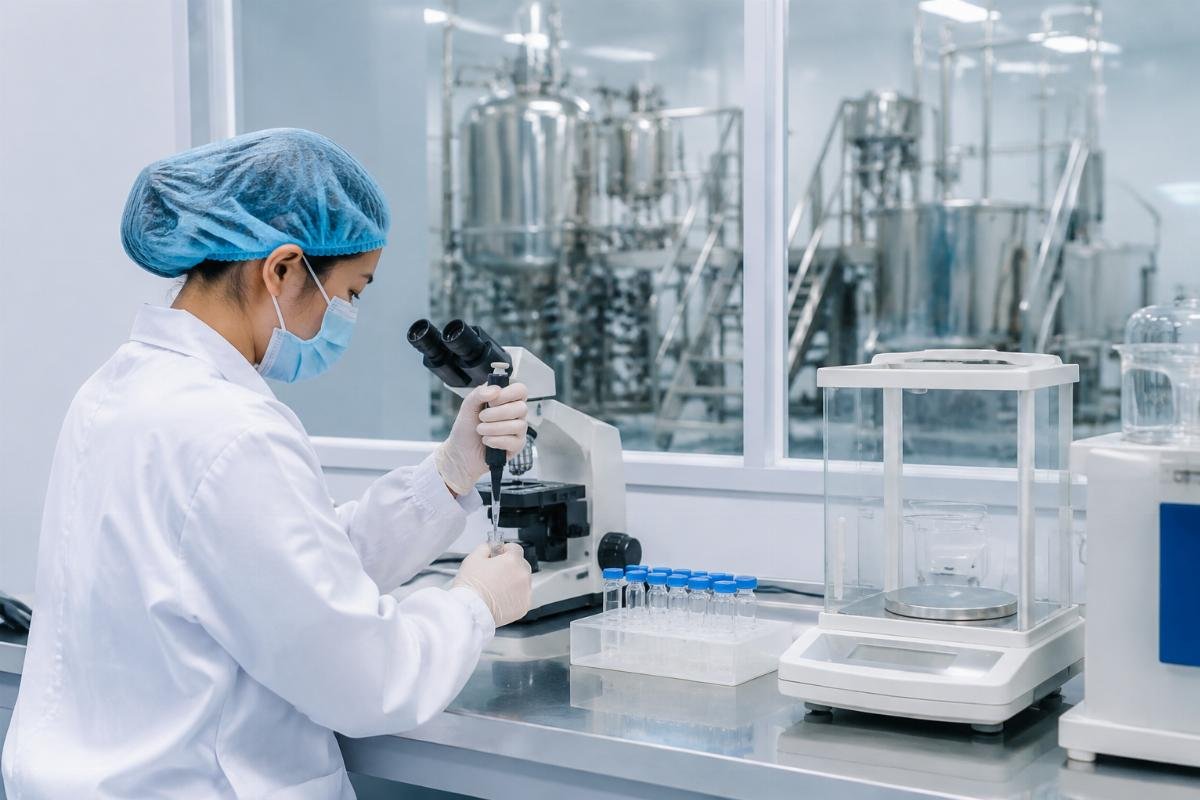
Dietary supplement GMP differs significantly from pharmaceutical GMP. The certification scope, testing frequency and validation requirements are less extensive, which affects both peptide cost and appropriate use cases. I've had supplement buyers ask if they can use pharmaceutical-grade peptides to "guarantee quality." This usually wastes budget because pharmaceutical testing protocols exceed what supplement regulations require.
Heavy metal contamination poses serious regulatory risk for supplement manufacturers. Lead, arsenic, cadmium and mercury limits are strictly enforced. Your peptide supplier should test every batch for heavy metals and provide results in your COA. One supplement company faced a recall after discovering elevated lead levels in their finished product, traced back to their peptide raw material. The supplier hadn't tested for heavy metals, assuming purity testing was sufficient.
Allergen statements become important for food-grade applications. Consumers with allergies need to know if your peptide was produced in facilities that handle common allergens. Ask suppliers about their allergen control programs and whether they can provide allergen-free certifications if your product targets allergen-sensitive consumers.
Excipient compatibility affects your formulation work. Supplement peptides often mix with fillers, flowing agents and capsule materials. I recommend testing small-scale blends before committing to bulk orders. Some peptides interact with magnesium stearate or silicon dioxide in ways that reduce stability. Your supplier should provide guidance on compatible excipients based on their formulation experience.
Label claim substantiation matters more for supplements than for pharmaceutical or cosmetic products. You'll likely make structure-function claims about your peptide supplement. While you're not required to prove these claims through clinical trials, you need a rational basis for them. Ask your peptide supplier if they have any published research, mechanism of action summaries or traditional use documentation that supports your intended label claims.
Customs classification and import documentation varies by market. Peptides can fall under different Harmonized System codes depending on purity, intended use and presentation. I've helped supplement importers navigate classification questions that affected their duty rates and import clearance speed. Work with your supplier to confirm the correct HS code and ensure their commercial invoice matches regulatory requirements in your destination country.
Shelf life and retest dating affect your inventory planning. Food-grade peptides typically have shorter recommended use windows than pharmaceutical ingredients. Ask about the supplier's assigned shelf life and whether they base it on stability data or industry convention. One supplement manufacturer over-ordered peptides with a twelve-month retest date, then couldn't use half their inventory before expiration. Understanding these timelines prevents costly waste.
Why Does Batch Consistency Matter More Than Single-Test Purity?
A supplement company sent me a complaint six months after their first order. Their initial batch tested at 97.8% purity and worked perfectly in their formula. The second batch tested at 96.1% and caused their capsules to fail dissolution testing. Same supplier, same product name, but batch variance disrupted their production.
Batch-to-batch consistency affects your formulation stability, regulatory compliance and production efficiency more than any single purity test. You need suppliers who monitor synthesis parameters, track impurity profiles across batches and maintain consistent raw material sourcing. This consistency determines whether your second order performs like your first.

I've learned to ask suppliers about their process control systems before discussing product specifications. Peptide synthesis involves multiple reaction steps, each with variables that affect the final product. Temperature control, reagent quality, purification conditions and drying methods all introduce potential variance. Suppliers with documented process controls deliver more consistent batches than vendors who treat each synthesis as independent.
Impurity profiles tell you more than purity percentages. Two batches might both test at 98% purity but have different impurity compositions. If batch one contains 2% of a specific deletion sequence and batch two contains 2% of different degradation products, they'll behave differently in your application. Ask suppliers for detailed impurity characterization, not just total purity.
Raw material sourcing affects consistency in ways buyers often overlook. If your supplier switches amino acid suppliers between your orders, the peptide you receive might have different trace impurities even if the purity stays the same. I recommend asking about raw material qualification processes. How does your supplier vet their amino acid sources? Do they maintain qualified vendor lists? Do they requalify when changing suppliers?
Manufacturing scale changes introduce variance risk. A supplier who synthesizes your validation batch at 100g scale, then produces your commercial order at 10kg scale, might deliver different quality. Scaling up requires process revalidation to ensure consistency. Ask whether your quoted batch size matches the scale at which the supplier typically produces. Small-batch specialists might struggle with bulk orders. Large-scale manufacturers might not efficiently handle small trial quantities.
Analytical method consistency matters as much as synthesis consistency. If your supplier changes their HPLC method between batches, the reported purity might shift even if the actual product didn't change. I always ask suppliers whether they use validated analytical methods and whether those methods remain constant across production runs. You want purity measurements that are directly comparable batch to batch.
Seasonal and environmental factors can affect peptide synthesis and storage. Temperature and humidity in manufacturing areas vary with seasons. Some suppliers in regions with extreme weather face quality challenges during hot, humid months. Ask about environmental controls in production and storage areas. Climate-controlled facilities deliver more consistent peptides than operations subject to seasonal temperature swings.
What Documentation Should You Request Before Placing Orders?
Documentation requests separate experienced buyers from inexperienced ones. I can usually tell within the first email exchange whether a buyer understands peptide sourcing. Experienced buyers ask for specific documents before discussing price. New buyers focus on cost first, then discover missing documentation derails their plans.
Request five core documents during supplier evaluation: current COA with full testing panel, HPLC chromatogram with peak integration, MS spectrum confirming molecular weight, GMP certificate relevant to your application and at least three batch consistency reports. These documents let you verify supplier claims independently before committing to orders.
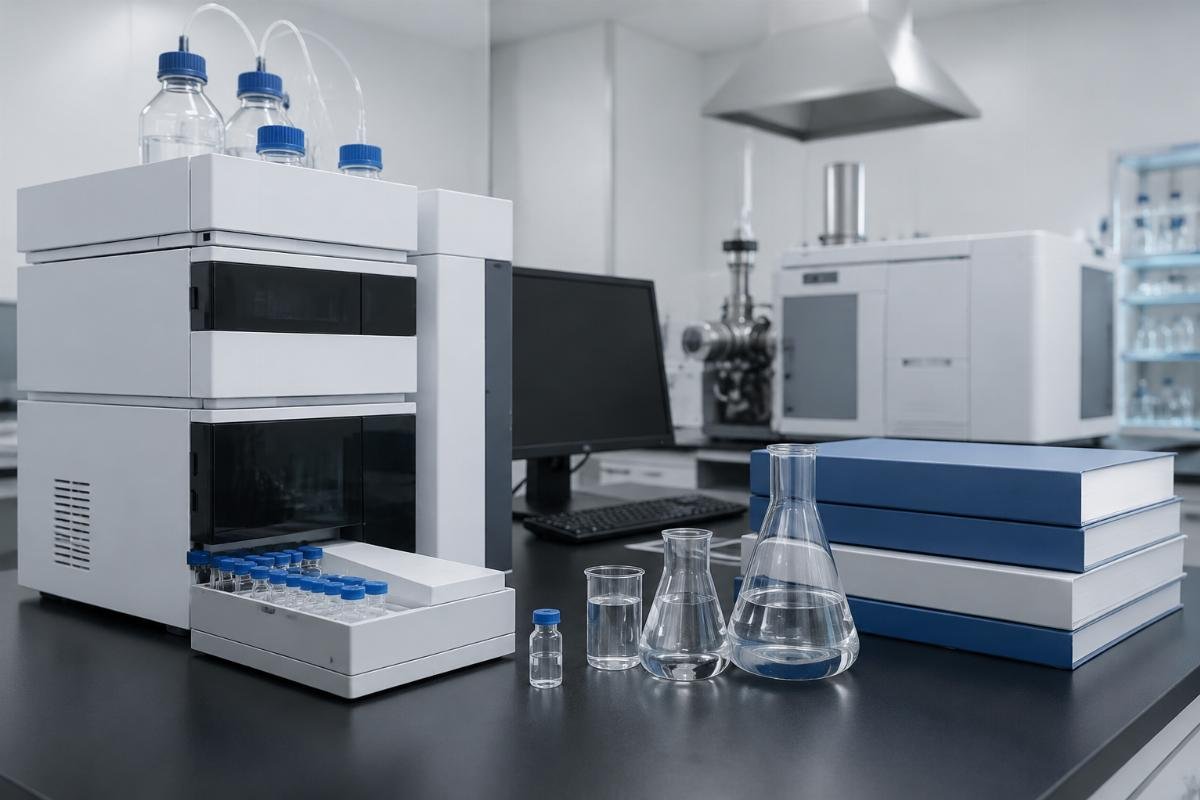
Certificate of Analysis verification starts with checking the testing date and lot number. Some suppliers provide generic COAs that don't match actual batches. I once caught a supplier sending the same COA for three different "batches" by noticing identical testing dates. Real batch-specific COAs show test completion dates within days of production dates.
HPLC chromatograms reveal information the purity percentage hides. Look for the main peak's sharpness and symmetry. Broad or split peaks suggest impurity co-elution or method inadequacy. Check the baseline flatness. Noisy baselines indicate instrument problems or sample matrix effects. Examine any impurity peaks. Are they well-separated from the main peak? Overlapping peaks reduce confidence in the purity measurement.
Mass spectrometry data confirms you're getting